
ww2 games with historical accuracy are easiest to enjoy when you know what “accuracy” actually covers, because one game might nail uniforms and unit names while taking big liberties with timelines, weapons performance, or even who fought where.
A lot of players want the same thing: immersion that feels grounded, not a lecture, but also not pure fiction wearing a WW2 skin. The problem is that store pages rarely tell you what kind of accuracy a game aims for, and YouTube debates often mix “realistic gunplay” with “historically faithful events” like they are the same category.
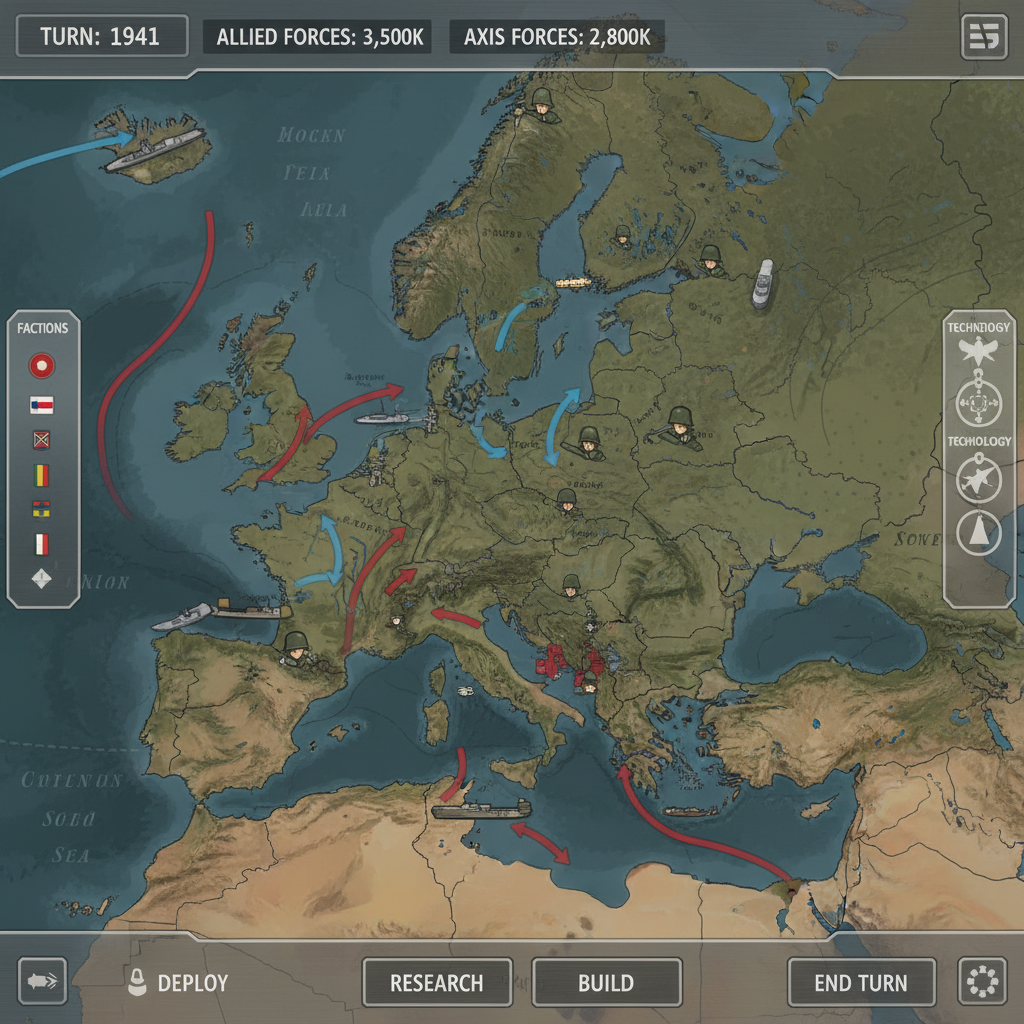
This guide separates those ideas, gives you a quick checklist to judge a title in minutes, and offers practical ways to “tune” a game toward authenticity even if it is not a hardcore sim. I’ll also flag where accuracy debates get messy, because developers sometimes choose clarity and pacing over strict documentation, and that trade-off is not always a mistake.
What “historical accuracy” means in WW2 games (and what it doesn’t)
When people search for ww2 games with historical accuracy, they usually mean one of three things, sometimes all at once. Sorting them out saves time and disappointment.
- Material accuracy: weapons, vehicles, uniforms, insignia, unit organizations, maps, period-appropriate music and language.
- Situational accuracy: plausible tactics, logistics constraints, fog of war, command limitations, and how battles typically unfolded.
- Narrative accuracy: real operations, realistic timelines, historically correct factions present in the right places, and fewer “what if” swaps.
What it usually does not mean is perfect 1:1 reproduction. Even careful studios compress geography, shorten engagements, and simplify command structures so a match finishes in an evening.
According to the Imperial War Museums, interpreting wartime history often involves selecting and framing evidence rather than presenting an exhaustive record, and games do something similar, just under stronger constraints of fun and usability.
Why many WW2 games feel “off” even when they look authentic
Some titles appear accurate at a glance, then start to feel wrong after a few hours. In my experience, the “off” feeling often comes from a few repeat patterns rather than one big error.
- Timeline mashups: late-war weapons in early-war battles, or units appearing before they existed in meaningful numbers.
- Balance-driven loadouts: symmetrical weapon options across factions because multiplayer variety matters more than doctrine.
- Compressed maps: landmarks placed too close together, making flanking routes and sightlines feel gamey.
- Hollywood tactics: constant forward rushing, limited use of suppression, smoke, and indirect fire compared with many real engagements.
- Clean storytelling: campaigns that simplify messy coalitions, competing command decisions, and civilian realities.
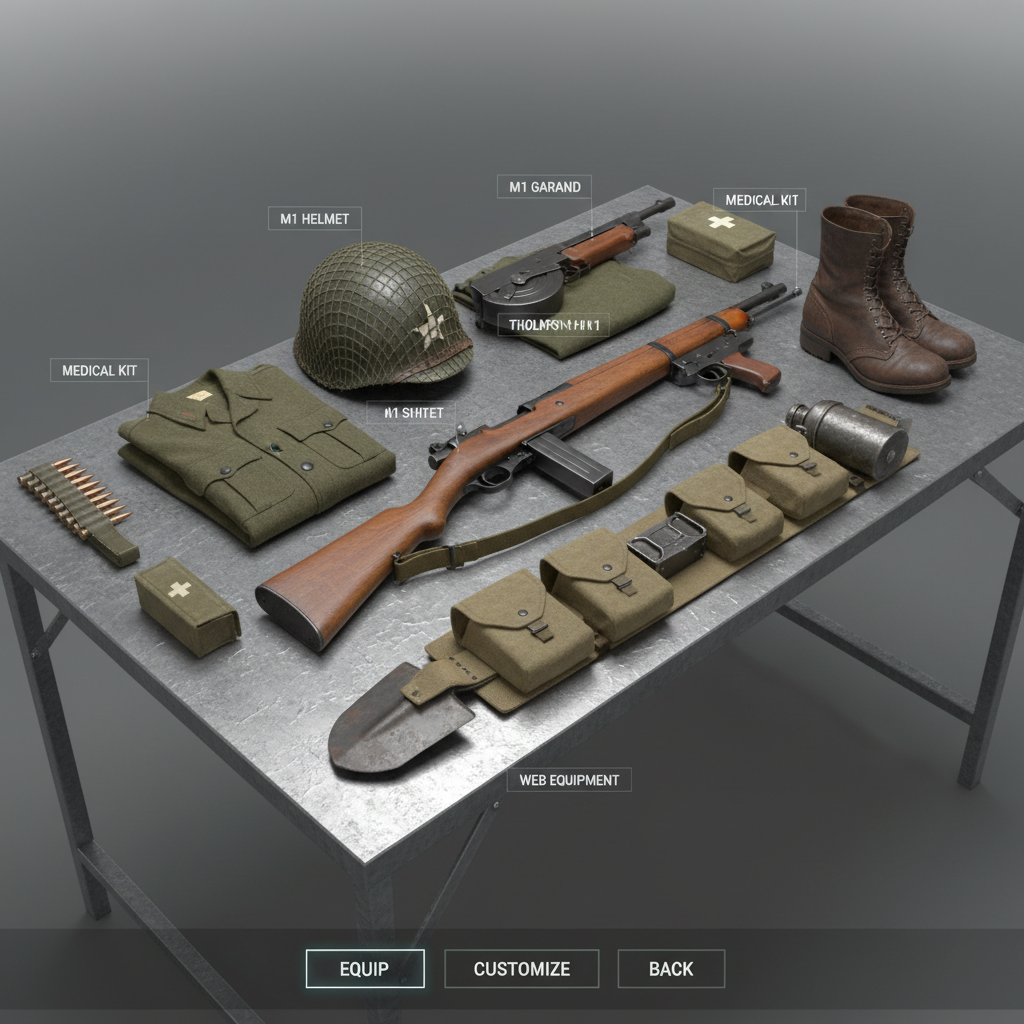
None of these automatically make a game “bad.” But if your goal is immersion, you want to recognize which compromises you can live with, and which ones break the spell.
A quick self-check: what kind of accuracy do you actually want?
Before you buy anything, get specific. Otherwise you end up with a great game that just isn’t what you meant by accurate.
Use this checklist (2 minutes)
- I care most about real operations and units (campaigns, dates, locations, commanders).
- I care most about believable combat behavior (suppression, cover, armor vs infantry relationships).
- I care most about correct gear and vehicles (models, markings, sound design, silhouettes).
- I’m fine with “inspired by history” as long as the tone respects the period.
- I want multiplayer, even if it means balance compromises.
If you checked the first two, you’ll usually be happier with tactical and strategy titles than with fast arcade shooters. If you checked the last two, you can still find ww2 games with historical accuracy vibes, but you’ll be judging tone and plausibility more than exact loadouts.
Examples of WW2 games often praised for historical accuracy (by category)
I’m not going to claim any game is “the most accurate,” because it depends on what you measure. Instead, here are commonly discussed picks and what they tend to do well, with the usual caveats.
Tactical shooters and squad combat
- Hell Let Loose: strong sense of scale, frontline flow, and combined-arms pressure. Accuracy varies by map and update, but the pacing rewards teamwork more than lone-wolf runs.
- Post Scriptum / Squad 44: leans into communication, stamina, and coordination. If you want friction and slower decision cycles, it is often closer to that feel.
Small-unit tactics and operational strategy
- Company of Heroes (series): excellent atmosphere and recognizably historical units, but it is a stylized RTS with balance-first design. Many players treat it as “authentic flavor,” not strict simulation.
- Steel Division 2: notable for order of battle depth and the way it pushes you to think in formations, not hero units. It still abstracts plenty, but the structure often feels grounded.
- Hearts of Iron IV: grand strategy where you can stay historical or go alternate history. It shines for politics, production, and logistics concepts, though it is a model, not a documentary.
Flight and vehicle-focused sims
- IL-2 Sturmovik (Great Battles): widely respected among sim fans for aircraft handling models and mission focus, though your experience depends heavily on settings and peripherals.
- War Thunder (WW2-era content): detailed vehicle modeling in many areas, but matchmaking and progression can produce ahistorical encounters. Great for hardware detail, less ideal for “this battle happened like this.”
Comparison table: how to pick faster
Use this as a shortcut, not a verdict. Ratings are directional, because patches, servers, and mods change the feel.
| Game / Type | Material Accuracy | Situational Accuracy | Narrative Accuracy | Best Fit If You Want… |
|---|---|---|---|---|
| Hell Let Loose (MP shooter) | High | Medium-High | Medium | Frontline teamwork and scale |
| Squad 44 (MP tactical) | High | High | Medium | Slower pacing, comms, friction |
| Steel Division 2 (RTT/strategy) | High | High | Medium | Orders of battle and formations |
| Company of Heroes (RTS) | Medium-High | Medium | Medium | Authentic tone with arcade clarity |
| Hearts of Iron IV (grand strategy) | Medium | Medium | High (if historical focus) | Production, politics, alternate paths |
| IL-2 Sturmovik (flight sim) | High | High | Medium | Aircraft realism and procedures |
How to make a WW2 game feel more historically accurate (practical steps)
Even if the base game takes liberties, you can often steer it toward authenticity without turning it into work.
1) Adjust settings that change behavior, not just visuals
- Increase suppression and reduce HUD assists when available, it changes how players move and how firefights “read.”
- Use stamina, weight, and limited ammo modes if the game offers them, it curbs sprint-and-spray habits.
- Turn down exaggerated hit markers and kill confirmations, especially in tactical shooters.
2) Pick servers, scenarios, or modes with historical guardrails
- Look for communities that restrict loadouts to period-correct kits per map or per faction.
- Choose operations modes over skirmish when possible, because objectives and pacing tend to be less random.
3) Use mods carefully
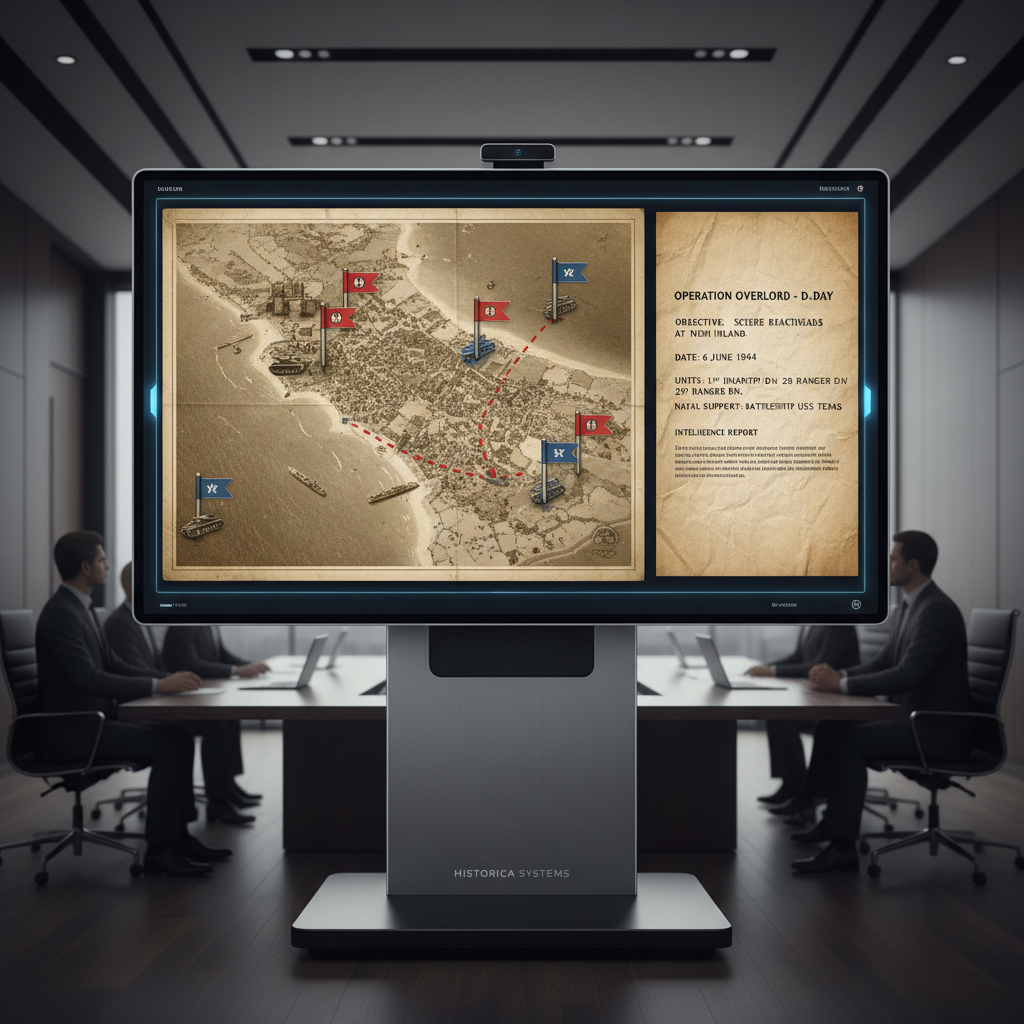
Mods can improve authenticity, but they can also introduce fan fiction or incorrect “common knowledge.” If a mod claims to be accurate, check whether it cites sources in notes, forum posts, or workshop descriptions.
Common myths and mistakes when chasing accuracy
People get stuck because they chase the wrong signals. A game can look right and still teach you weird habits, and the reverse can also be true.
- Myth: “Realistic graphics = accurate history.” Visual fidelity helps immersion, but accuracy depends on context, constraints, and design goals.
- Mistake: judging a whole title by one loadout screenshot. A single weapon mismatch might be minor compared to how the game handles command, logistics, and suppression.
- Myth: “Hardcore equals accurate.” Some “hardcore” mechanics are invented to create difficulty, not to mirror doctrine.
- Mistake: ignoring scale. Squad-level realism and theater-level realism are different problems, a grand strategy game can be “accurate” in systems while abstracting battles heavily.
According to the U.S. Army Center of Military History, understanding a campaign often requires considering logistics, command decisions, and uncertainty, not only weapons and hero moments, and that is a useful lens when you evaluate game design choices.
When it’s worth going deeper (books, museums, and expert help)
If you find yourself wanting more than “this feels right,” it may help to pair your playtime with one solid reference source. Not for homework, just for calibration.
- Museum collections and archives can clarify uniforms, unit structure, and equipment timelines.
- Primary-source memoirs are valuable but subjective, so it helps to read more than one viewpoint on the same battle.
- If you create content or mods, consulting historians or established researchers can prevent you from repeating popular inaccuracies.
This is also where you give yourself permission to enjoy the game anyway. Accuracy is a spectrum, and most people land on “credible enough to stay immersed.”
Key takeaways (so you can choose with confidence)
- Define accuracy before you shop: gear, tactics, or real operations lead to different “best” picks.
- Use a fast checklist to match your preference to a genre, shooters and grand strategy scratch different itches.
- Settings and communities matter, they can make the same title feel dramatically more authentic.
- Expect trade-offs, especially in multiplayer where balance and readability steer design.
If you want ww2 games with historical accuracy that stay fun, aim for “grounded design + respectful tone,” then refine with settings, servers, and a bit of context reading.
FAQ
What are the most historically accurate WW2 games for PC?
It depends on whether you mean tactics, gear, or real operations. Many players point to tactical shooters like Hell Let Loose or Squad 44 for grounded combat pacing, and to IL-2 Sturmovik for aircraft realism, while strategy fans often choose Steel Division 2 for detailed orders of battle.
Are there ww2 games with historical accuracy that still work for casual players?
Yes, but you’ll usually want titles that offer adjustable realism settings or modes. A game can feel authentic with the right server rules, limited HUD, and slower modes, without forcing you into full simulation complexity.
How can I tell if a WW2 game is accurate before buying?
Look for specifics rather than marketing language: named operations, map sources, unit tables, patch notes about equipment timelines, and whether the community discusses historical constraints. If everything is described in vague “immersive” terms, accuracy may not be the main goal.
Do multiplayer WW2 shooters have to be ahistorical to be balanced?
Not always, but many make compromises. Strictly asymmetric gear can be authentic and still playable, yet it demands careful map design and objectives, so some studios flatten differences to keep matchmaking and new-player experience smoother.
What’s the difference between “realistic” and “historically accurate”?
Realistic often means believable physics and combat behavior, while historically accurate leans toward correct context, units, timelines, and equipment. A game can be realistic but set in a fictional operation, or historically faithful but mechanically simplified.
Are mods a good way to improve accuracy?
Often, yes, especially for uniforms, sound, and UI tweaks. Still, mod accuracy varies, so it’s worth checking whether the creator explains sources or rationale, and whether updates track the base game reliably.
Closing thoughts
Chasing authenticity is less about finding a perfect title and more about picking the right kind of accuracy for how you play, then tightening the experience with smart settings and the right community. If you pick one step to do today, run the checklist above and compare two games from different genres, that usually makes your decision obvious.
If you’re building a shortlist and want a more “done for you” approach, a simple way is to tell yourself what matters most, real operations, combat behavior, or correct gear, then filter recommendations around that single priority so you spend more time playing and less time arguing in comment threads.