
Best vr walking simulator games are usually the right answer when you want VR immersion without the pressure of combat, timers, or “git good” mechanics, but picking one can still feel weirdly hard because trailers all look similar and comfort varies a lot by headset and player.
The good news is that “walking sim” in VR is broader than people think, it can mean calm exploration, story-first mystery, museum-like sightseeing, or even light puzzles where your pace sets the mood. The not-so-good news is that locomotion choices can make a great game feel unplayable if you’re motion-sensitive.
This guide narrows the field with practical categories, a quick comparison table, and comfort-first advice so you can choose a game that fits your vibe tonight, not an abstract “top 10” list that ignores how you actually play.
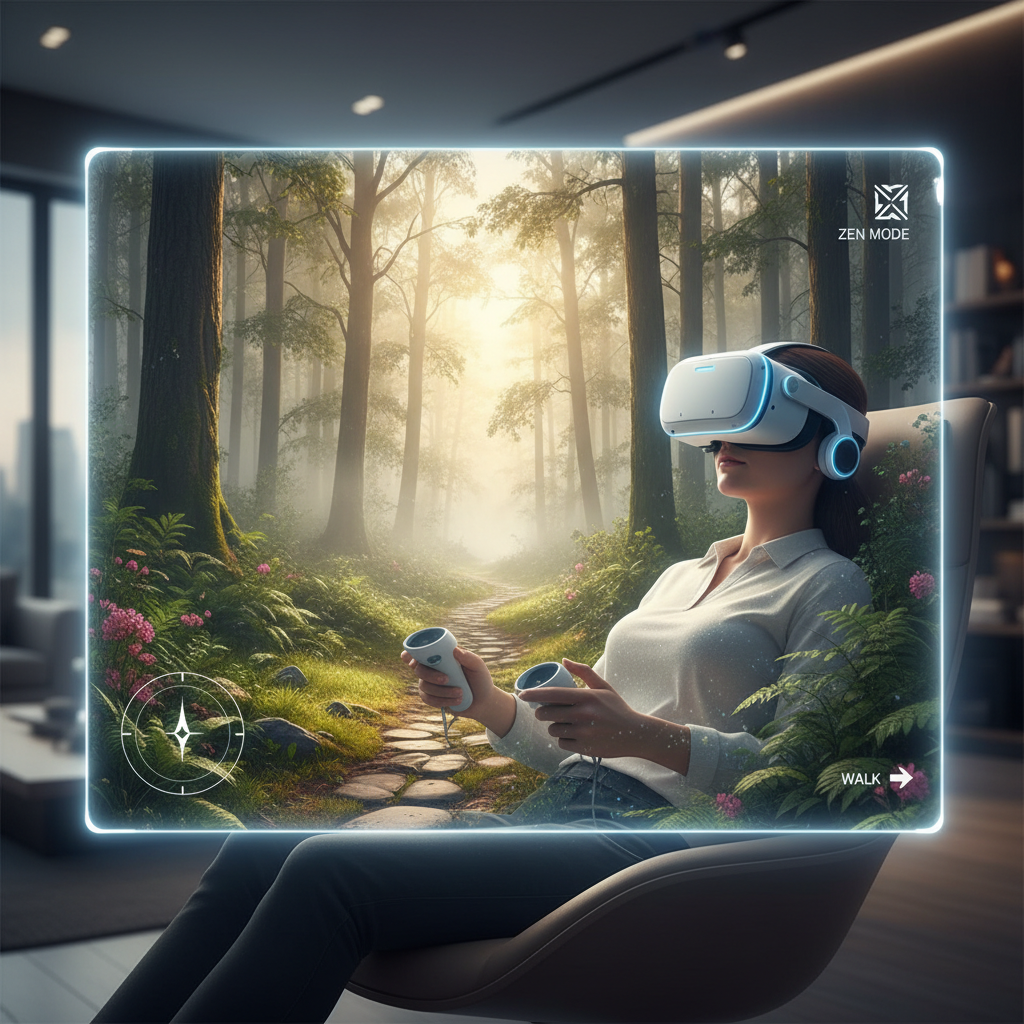
What “VR walking simulator” usually means (and why it matters)
In flat-screen gaming, a walking simulator often implies minimal mechanics and heavy atmosphere. In VR, the label shifts a bit, because simply moving your body, looking around, and interacting with objects can feel like “gameplay” even when the structure is gentle.
Most VR walking sims land in one of these lanes, and knowing the lane saves you time and refunds:
- Story-first exploration: you walk, observe, listen, and piece things together.
- Scenic sightseeing: less narrative, more presence, “I want to be somewhere else for 30 minutes.”
- Light puzzle adventure: still slow-paced, but you’ll manipulate objects and solve rooms.
- Mystery/horror-leaning: still exploration, but with tension and jump-scare risk.
Comfort is the other big factor. According to Meta (in their VR comfort guidance for developers and users), locomotion choices like smooth movement, acceleration, and camera effects can strongly affect motion comfort, so a “great” title on paper may not be great for your stomach.
Quick comparison table: picks by mood and comfort
If you just want a fast shortlist, use this table as a starting point. Availability varies by platform and store region, so treat it as a “what to look for” map, then confirm on your headset storefront.
| Game | Best for | Vibe | Comfort notes | Why it works as a walking sim |
|---|---|---|---|---|
| The Room VR: A Dark Matter | Puzzle exploration | Mysterious, tactile | Room-scale friendly, teleport options in many setups | Slow pace, environmental storytelling, rich object interaction |
| Red Matter 2 | Sci‑fi sightseeing + puzzles | Cinematic, sleek | Often offers comfort settings, still check smooth move tolerance | Atmosphere-driven exploration with “walk and look” appeal |
| Kayak VR: Mirage | Relaxation and visuals | Nature, meditative | Not walking, but similar low-stress exploration; motion may affect some | Presence-first, you explore at your own pace |
| Moss / Moss: Book II | Comfortable story journey | Wholesome adventure | Third-person diorama reduces nausea for many people | You “travel” through worlds without heavy locomotion demands |
| A Fisherman’s Tale | Short, clever narrative | Playful, mind-bending | Usually comfortable due to room-based progression | Exploration energy with minimal speed pressure |
| Paper Beast | Surreal exploration | Dreamlike, artistic | Comfort depends on mode; many players use gentle settings | Wandering and observing is the point |
Best VR walking simulator games if you want story without combat
When people search for best vr walking simulator games, they often mean “I want narrative momentum, but I don’t want to fight.” These are the titles that tend to deliver that feeling consistently.
The Room VR: A Dark Matter
If you like opening drawers, inspecting objects up close, and getting that satisfying click when a mechanism finally makes sense, this is a safe bet. The pacing stays human, you can linger, and the world rewards curiosity rather than fast reflexes.
A Fisherman’s Tale
Shorter than many people expect, but memorable. It’s the kind of experience you finish in an evening and keep recommending because the ideas land, and it never asks you to grind.
Moss (and Moss: Book II)
This is technically not “walking” in the literal first-person sense, yet it scratches the same itch: gentle progression, storybook atmosphere, and exploration that feels guided but not rushed. For motion-sensitive players, it’s often a smart entry point.
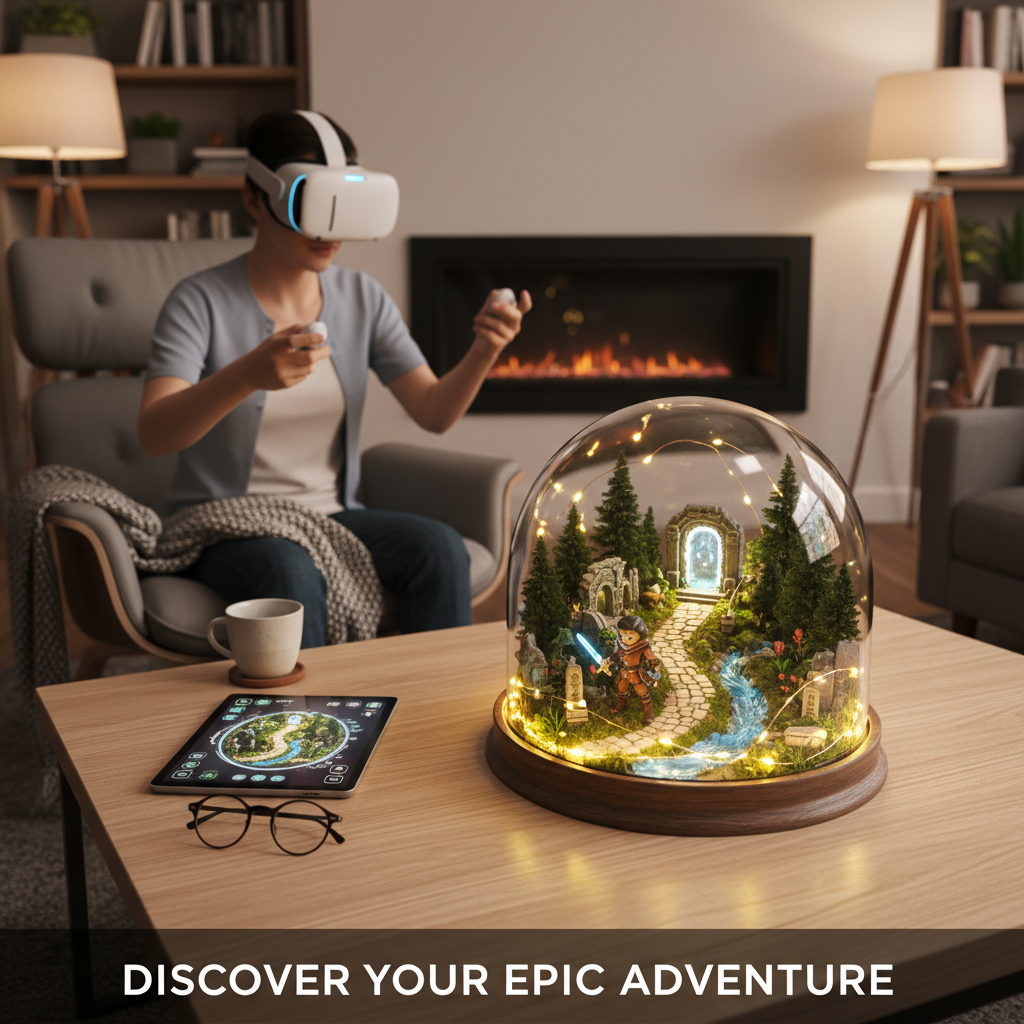
Best picks for “scenic walking” and pure atmosphere
Sometimes you’re not looking for plot. You want a place. VR is unusually good at that, and this is where walking simulators shine when they stop trying to be big “games” and just let you exist.
Red Matter 2 (especially for sci‑fi fans)
It’s puzzle-forward, but the real hook is presence: glossy surfaces, scale, and that quiet loneliness that sci‑fi does so well. If you’re chasing “I can’t believe this runs on my headset” moments, it’s a strong candidate.
Paper Beast
Surreal worlds can be hit-or-miss, but when you’re in the mood for something abstract and slow, this is the kind of title that feels more like exploring an art installation than clearing levels.
Kayak VR: Mirage (a non-walking honorable mention)
It’s not a walking sim, but it often gets recommended for the same reason people want walking sims: low pressure, high immersion, and a “let me breathe” pace. If you enjoy it, you’ll probably enjoy other exploration-first titles too.
How to tell which game will feel comfortable on your headset
Comfort isn’t a personality trait, it’s a settings and design issue most of the time. Before buying, check the store comfort rating, read recent user notes, and look for these features in descriptions or options menus.
- Teleport locomotion: usually easier on motion comfort than smooth walking.
- Snap turning: quick angle steps instead of continuous turning.
- Vignette or “comfort tunneling”: narrows peripheral vision during movement, often helps some players.
- Room-scale support: you can physically step around and rely less on artificial locomotion.
- Seated mode: helpful if you get fatigue, or if your space is limited.
According to Valve (SteamVR documentation and comfort guidance references), maintaining stable horizons and offering comfort options like snap turning are common recommendations for reducing discomfort in VR. If you’re prone to nausea, prioritize games that explicitly advertise these options.
If you have medical concerns or strong vestibular sensitivity, it’s reasonable to be cautious and consult a professional if VR consistently triggers symptoms, a game recommendation won’t override health reality.
Buying checklist: a quick self-test before you hit “purchase”
Use this as a fast filter. It’s not perfect, but it catches most “I refunded after 12 minutes” situations.
- I want story: look for narrative keywords, voice acting, “chapters,” and environmental clues.
- I want to relax: look for “exploration,” “atmospheric,” “no combat,” and shorter session loops.
- I dislike puzzles: avoid titles marketed primarily as puzzle adventures, even if they’re slow-paced.
- I get motion sick easily: prioritize teleport, seated mode, third-person diorama, or room-scale experiences.
- I only have 20–40 minutes: pick experiences with clear save points, chapter structure, or bite-size levels.
- I’m on Quest vs PC VR: confirm platform support and performance expectations before buying.
Practical setup tips to make walking sims feel better (and safer)
Even the best vr walking simulator games can feel off if your setup is fighting you. A few small tweaks usually go a long way.
Comfort-first settings
- Start with teleport + snap turn, then gradually test smooth movement in short bursts.
- Reduce artificial camera effects, like head bob and acceleration, if the game offers sliders.
- Keep sessions short early on, many players build tolerance over time, but there’s no prize for pushing it.
Room and safety basics
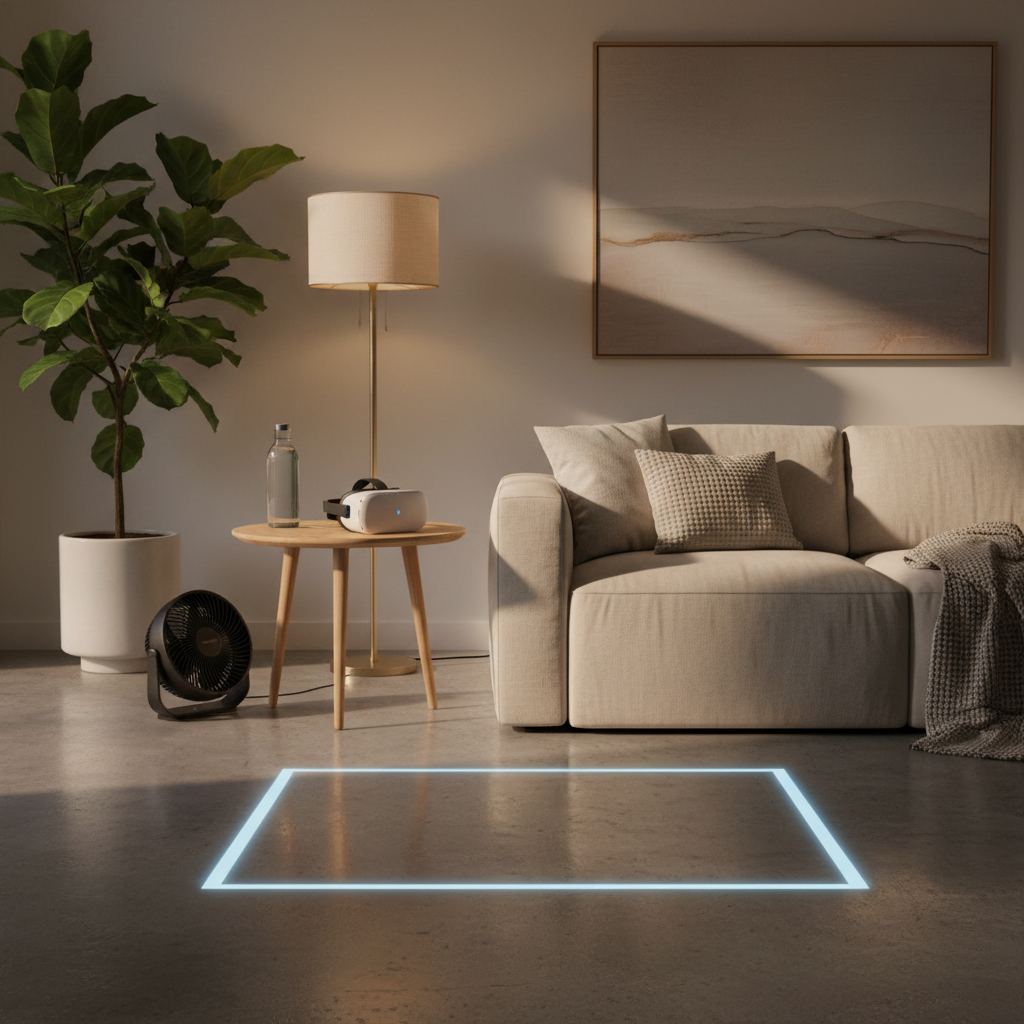
- Clear the play area and set guardian boundaries slightly conservative, especially for slow “wander and look” gameplay where you drift.
- Use a fan pointed toward you, it can help orientation and comfort for some people.
- If you feel nausea, headache, or dizziness, stop and take a break, and consider switching to seated mode or a diorama-style game.
Key takeaways and a simple “what should I play tonight” guide
If you’re choosing right now, keep it simple:
- You want tactile puzzles and moody story: try The Room VR.
- You want premium sci‑fi atmosphere with exploration: try Red Matter 2.
- You want maximum comfort and charm: try Moss.
- You want a short, clever narrative twist: try A Fisherman’s Tale.
- You want strange, artsy exploration: try Paper Beast.
My practical take is this: the “best” pick is the one that matches your tolerance for motion and your tolerance for puzzles. If either is misaligned, you won’t finish the game, no matter how beautiful the world looks.
If you want to go one step further, pick one title that’s comfort-safe and one that’s more ambitious, alternate them across the week, you’ll get variety without turning VR into a nausea test.
Action step: check the store comfort rating and locomotion options before buying, then start with the gentlest movement settings and adjust only after you’ve played 15–20 minutes comfortably.