
bayonetta 3 best combos guide usually comes down to one thing: you know cool strings exist, but in real fights enemies slide out, you miss the launcher, or you burn your magic at the wrong time.
This tutorial focuses on combos you can actually land under pressure, not just stylish lab routes. We’ll talk about how Bayonetta 3’s timing windows, crowd behavior, and Demon Slave choices change what “best” means, then give you practical strings you can memorize and adapt.
One quick expectation check, there isn’t a single “best combo” that wins every matchup. A boss that doesn’t flinch needs safer damage and magic management, while mob packs reward wide hitboxes and fast Wicked Weaves. The goal here is to build a small combo toolkit that covers most situations.

How Bayonetta 3 combo rules actually work (so your strings stick)
Before you memorize routes, it helps to understand why combos drop. In Bayonetta 3, many “launch then juggle” patterns depend on enemy weight, stagger state, and how quickly you re-trigger hitstun with the next move.
- Wicked Weave timing matters: finishing a Punch or Kick string with a Weave often “pins” enemies longer, but some enemies recover faster if they’re pushed too far away.
- Positioning is part of the combo: if your string walks Bayonetta forward, the same input can whiff at the end if the target gets nudged sideways by another enemy.
- Magic is your glue: Demon Slave attacks can stabilize spacing, keep enemies from drifting, or cover your recovery, but spending magic too early can leave you dry for the next threat.
- Witch Time changes your priorities: in slow-motion windows you can afford “heavier” enders, outside of it you often want quicker, safer damage.
According to Nintendo’s official Bayonetta 3 Tips (in-game) and PlatinumGames’ general action design philosophy, consistent play comes from learning what moves do in neutral and then building reliable confirms, not chasing the flashiest route every time.
Quick self-check: which combo problem do you actually have?
If you fix the right problem, your execution improves fast. If you fix the wrong one, you just grind inputs and still drop strings.
- You drop combos on small enemies: you’re likely pushing them out with wide swings, or using a launcher that sends them too far.
- You drop combos on big enemies: you’re probably using launch routes that assume float, you need grounded Weave damage and safer enders.
- You can’t start combos safely: your openers are too committal, you need quick pokes into confirms, or use Dodge Offset to stay safe.
- You do damage but run out of magic: you’re calling Demon Slave as “extra hits” instead of for control, stagger, or protection.
- Your combos look fine in practice but fail in fights: you’re not accounting for multiple targets, camera, and hitstun interference.
Best “real fight” combo starters (openers you can trust)
A good opener is short, hits fast, and can convert into either damage or safety depending on what the enemy does. For most players, this matters more than a fancy ender.
Starter ideas that translate across weapons
- Fast poke → confirm: two quick hits, then decide whether to finish the string, dodge-cancel, or summon a Demon Slave to hold space.
- Whiff-punish → Weave ender: bait a swing, then use a short string that ends in a Wicked Weave for guaranteed damage.
- Witch Time confirm: if you trigger Witch Time, go straight into your highest reliability damage route instead of fishing for a risky launcher.
Practical tip: when you’re unsure, choose the opener that keeps Bayonetta close and centered. Combos fail less when you don’t let the enemy drift off-camera.
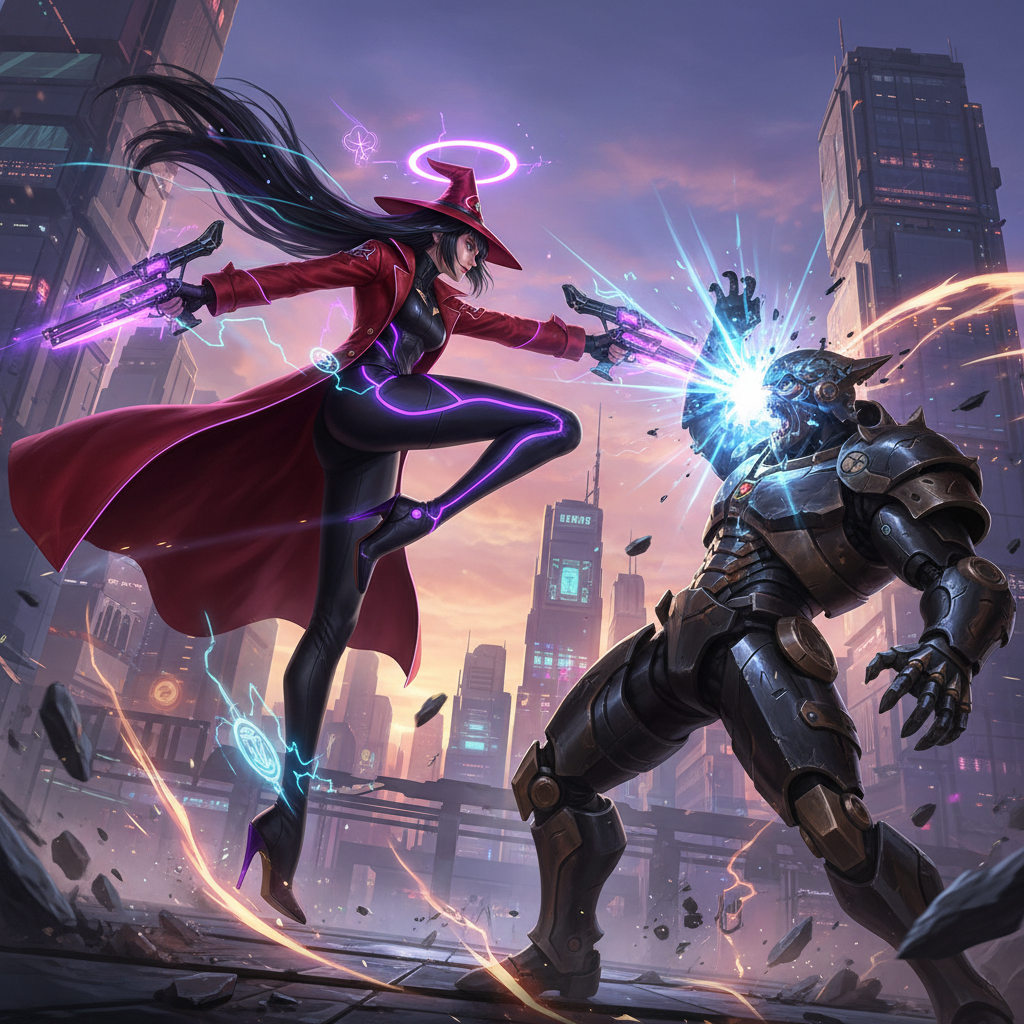
A small combo library: reliable strings by situation
Instead of listing 30 routes, here’s a tight set that covers most play. Think of these as templates, swap the ender depending on space, magic, and whether you need safety or damage.
Core combo templates (use cases first)
- Safe poke string (neutral): short string → Weave ender → reposition. Use when you’re not sure what the enemy will do next.
- Launcher route (light enemies): confirm → launcher → brief air hits → quick ender. Use when the enemy reliably floats and the arena is not crowded.
- Grounded damage (heavy enemies): grounded string → Weave ender → Demon Slave hit to extend or protect. Use when launch attempts feel inconsistent.
- Crowd control route (mobs): wide string that clips multiple targets → Demon Slave sweep/area hit → Weave finisher on the priority target.
- Witch Time cash-out: fastest high-damage finisher you can land without drifting the target away. Don’t overextend and lose the punish window.
Combo cheat sheet table (what to do, not just inputs)
| Situation | Goal | Combo approach | Common fail point |
|---|---|---|---|
| 1v1, unknown enemy | Stay safe, get a read | Short string into Wicked Weave, then reset | Overcommitting to a long finisher |
| Light enemy you can juggle | Carry damage in the air | Confirm → launcher → quick air hits → ender | Enemy drifts out from pushback |
| Heavy enemy that doesn’t float | Reliable damage | Grounded Weave enders, use Demon Slave to extend | Using launch routes that don’t stick |
| Mob pack | Control space | Wide hits + Demon Slave area control, then focus target | Tunnel vision on one enemy |
| Witch Time punish | Maximize the window | Go straight to your most consistent finisher | Trying to start a slow, fancy route |
Practice plan: 15 minutes that improves combos faster than “free play”
Most people practice combos by repeating the full string. That builds muscle memory, but it doesn’t fix the moment where you actually drop it. Practice the seam.
- Drill 1, opener consistency: do only the first 2–3 hits, stop, reset, repeat. You want the starter to come out clean from any spacing.
- Drill 2, the transition: practice the exact point you usually drop, like launcher → first air hit, or Weave ender → reposition.
- Drill 3, “crowded screen” simulation: intentionally move the camera, fight near walls, and do the same short confirms, because real fights are messy.
- Drill 4, magic discipline: run a route where you only allow one Demon Slave call per enemy, so you learn to use it for control, not spam.
If you want a simple benchmark, aim for “I can land my safe poke string 10 times in a row without thinking,” then expand from there.
Common mistakes that make “best combos” feel inconsistent
A lot of frustration comes from small habits that quietly break your routes.
- Chasing launchers on the wrong targets: if the enemy won’t float, your “combo” becomes a scramble. Switch to grounded Weave damage and control.
- Using Demon Slave as damage filler: many times the better use is to keep enemies in place, cover your recovery, or create a safe window to restart pressure.
- Ignoring spacing after the Weave: finishers can push enemies farther than you expect. If the next hit whiffs, shorten the route.
- Not adapting to walls: corner and wall contact can change bounce and alignment. Sometimes the best fix is a simpler ender, not a different launcher.
- Trying to be stylish every time: style points matter, but consistency keeps your rank and your sanity intact.
When to look up weapon-specific routes (and when not to)
If you already have 2–3 consistent templates, that’s when weapon-specific optimization starts paying off. Before that, “new combos” often just add more ways to drop strings.
- Look up weapon routes when: you can reliably confirm from neutral, you understand your preferred Demon Slave role, and your drops are rare.
- Hold off when: you still miss openers, you burn magic early, or you can’t keep the camera and spacing stable in mobs.
According to PlatinumGames’ public interviews about action game design, mastery typically comes from learning systems and decision-making loops, then layering in execution. That’s a good mindset for building your own Bayonetta 3 combo plan.
Key takeaways + what to do next
Key points: use short openers you can trust, treat combos as templates by situation, and practice transitions more than full strings. If your “best” route drops in fights, it’s not best yet.
Next time you boot the game, pick one safe poke string and one grounded damage route, then play a chapter focusing on landing those two cleanly. After that, add one crowd-control option and you’ll feel your consistency jump without needing a giant move list.
FAQ
What is the most reliable combo type in Bayonetta 3?
In many cases, short grounded strings that end in a Wicked Weave are the most reliable, because they don’t depend on enemy float behavior and they’re easier to space correctly in messy fights.
Why do my air combos drop even when I hit the launcher?
Pushback and enemy “weight” often cause drift, so your first air follow-up comes out slightly off-line. Shorten the air section, or choose an ender that keeps you close instead of carrying the enemy away.
How do I use Demon Slave without wasting magic?
Try calling Demon Slave for a purpose: hold enemies in place, cover a risky recovery, or create space in a mob. If it’s only adding extra hits, you’ll frequently run out of magic before the next threat.
Is Witch Time required for high damage combos?
No, but it makes heavier enders safer. Outside Witch Time, many players get better results using quicker finishers more often, rather than gambling on slow routes.
Should I memorize long combo strings from videos?
They’re useful reference material, but they can be misleading if you don’t share the same weapon setup, enemy type, or difficulty. Build a small personal set first, then borrow optimizations that fit your play.
What should I practice if I only have 10 minutes?
Practice your opener into one consistent finisher, then repeat the exact transition you usually drop. That tight focus tends to translate into real fights faster than repeating an entire flashy route.
How do I know if a combo is “good” for my skill level?
If you can land it consistently in real encounters, it’s good. If it only works in ideal spacing or perfect Witch Time, treat it as a style route you bring out occasionally.
If you’re trying to build a dependable combo toolkit and want a quick way to organize it, consider writing down two openers, two finishers, and one Demon Slave purpose for each, then test them on a tough chapter where enemies don’t politely wait their turn.