
top games with survival and horror elements is a search you make when you want fear that feels earned, not just jump scares, the kind where ammo counts, mistakes linger, and your “plan” falls apart at the worst moment.
The problem is that “survival horror” means different things now. Some games lean into slow exploration and inventory stress, others play like action shooters with a spooky coat of paint, and a few are basically social stories where the survival part is your decision-making.
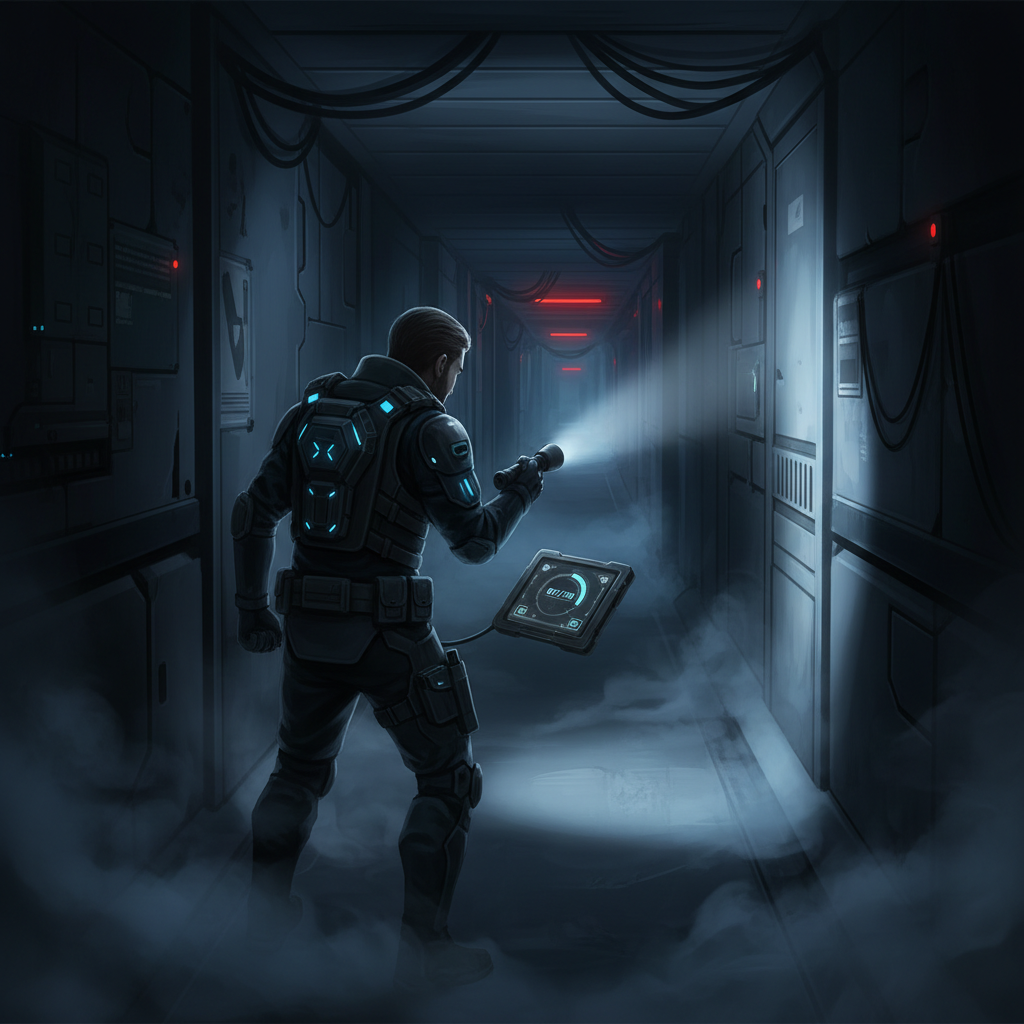
This guide is built for that in-between space: games with real tension, real constraints, and horror that sticks. You’ll get a practical shortlist, a quick way to tell what style you’ll enjoy, and a few setup tips so the vibe lands the way it should.
What “Survival + Horror” Actually Means (and Why Some Games Feel Wrong)
If you bounce off a “survival horror” recommendation, it’s often because the survival loop doesn’t match the horror loop. A game can be scary but not survival-focused, or survival-heavy but not scary in the way you want.
- Resource pressure: limited ammo, healing, durability, or safe saves, which forces tradeoffs.
- Information pressure: you rarely know what’s ahead, maps are imperfect, threats feel unpredictable.
- Vulnerability: your character cannot brute-force every problem, sometimes you run, hide, or improvise.
- Consequences: mistakes cost time, supplies, or progress, which makes fear feel “real.”
According to ESA (Entertainment Software Association), players engage with games for a range of reasons including challenge and immersion, and survival-horror is basically those two motives turned up until they become uncomfortable, in a good way.
A Curated List: Top Picks With Survival and Horror Elements
Instead of ranking everything as “best,” here are reliable picks that hit different flavors of survival tension. If your goal is to find top games with survival and horror elements that match your tolerance, start here and pick by vibe.
Classic Survival Horror (inventory stress, deliberate pacing)
- Resident Evil 2 (Remake) — tight resources, oppressive police-station maze, smart risk-reward with saves and routes.
- Resident Evil 7: Biohazard — first-person dread with scarce supplies early on, strong “trapped in a house” pressure.
- Signalis — retro-leaning sci-fi dread, strict inventory management, puzzle tension that stays mean.
Stealth and Helpless Horror (you survive by avoiding)
- Alien: Isolation — a masterclass in being hunted, crafting and planning matter more than aim.
- Amnesia: The Bunker — survival systems push you to make hard calls under pressure, with a tight, replayable structure.
Harsh Survival Sandboxes With Horror DNA
- The Forest / Sons of the Forest — base-building survival where nights turn into panic, exploration rewards and punishes.
- Darkwood — top-down, psychologically heavy, day planning and night survival feel like separate games that feed each other.
Story-Driven Fear With Survival Decisions
- The Last of Us Part I — resource scarcity supports emotional tension, more action-forward but still survival-minded.
- Until Dawn / The Quarry — “survival” through choices and consequences, great if you want horror without mechanical grind.
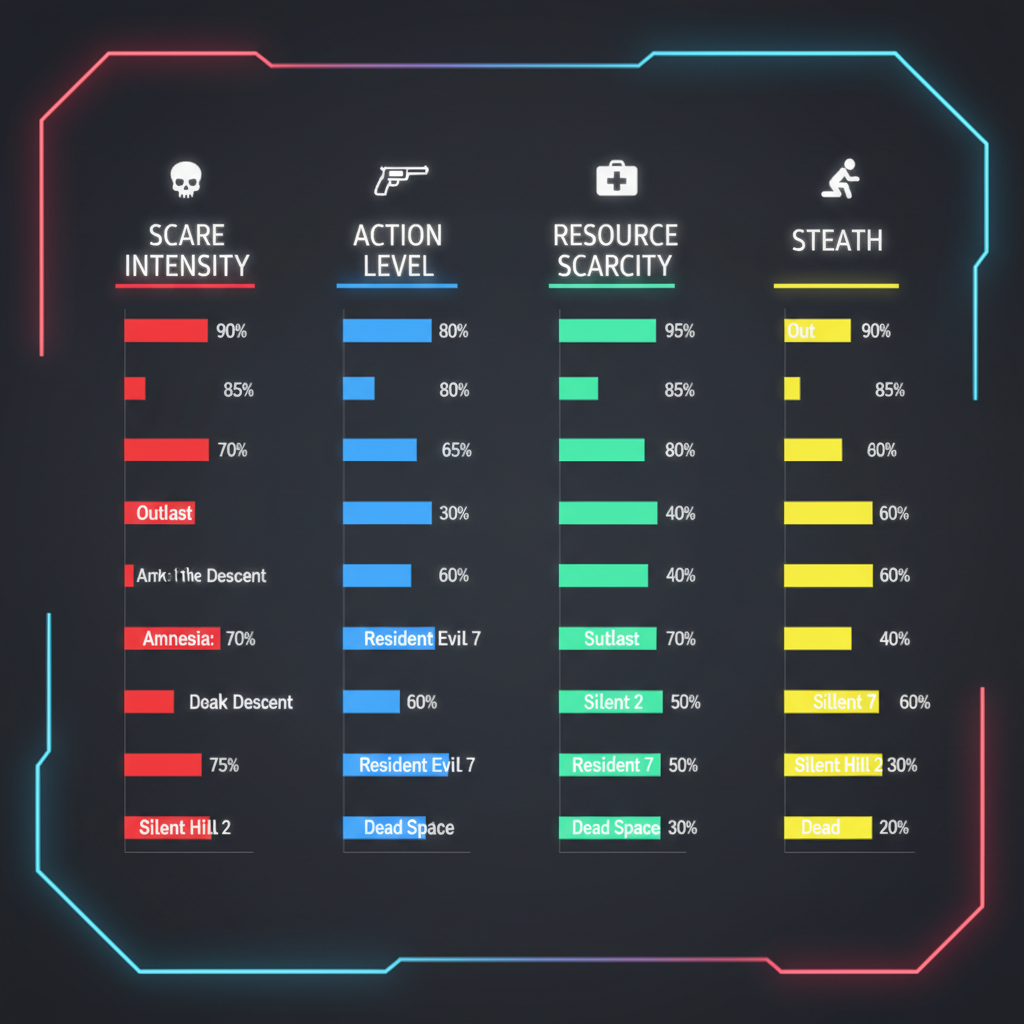
Quick Comparison Table (Pick Faster, Regret Less)
Use this as a shortcut when you want top games with survival and horror elements but don’t want to gamble on your weekend.
| Game | Primary Fear Style | Survival Pressure | Best For |
|---|---|---|---|
| Alien: Isolation | Predator chase, stealth | High | Players who like being hunted |
| Resident Evil 2 (Remake) | Classic tension, puzzles | Medium-High | Modern entry into survival horror |
| Resident Evil 7 | Claustrophobic dread | Medium | First-person horror fans |
| Signalis | Atmospheric, existential | High | Retro vibe + strict inventory |
| Darkwood | Psychological, oppressive | High | People who want “no cheap scares” |
| The Forest | Survival sandbox threat | Medium | Co-op, base-building, exploration |
| The Last of Us Part I | Cinematic tension | Medium | Story-first, survival flavor |
Self-Test: What Kind of Survival Horror Player Are You?
This is the part most lists skip. If you buy the wrong sub-genre, you’ll call it “overrated” when it’s really just a mismatch.
- You want to feel hunted more than you want to fight → lean toward Alien: Isolation, Amnesia: The Bunker.
- You enjoy route planning, backtracking, keys, and locked doors → Resident Evil 2, Signalis.
- You prefer systemic survival, crafting, shelter, weather, patrol patterns → The Forest, Darkwood.
- You want story momentum and character stakes, with survival pacing → The Last of Us Part I.
- You’re scare-sensitive and hate being stuck → try story-driven options, play on easier modes, or watch 20 minutes of gameplay before committing.
How to Choose Your Next Game (Practical Filters That Work)
When people ask for top games with survival and horror elements, they often mean one of these specific constraints. Decide them up front and you’ll pick cleanly.
Filter 1: Do you want combat to be satisfying or stressful?
- Satisfying: you want tools, upgrades, and “I earned this” fights.
- Stressful: you want combat to feel like a mistake you’re forced into.
If you hate whiffing shots and dying on repeat, avoid the strictest scarcity games at first. Start with something balanced, then move harsher.
Filter 2: How much time do you want to invest per session?
- Short sessions: tighter structures often work better, you get tension fast.
- Long sessions: sandboxes shine when you can set goals and recover from setbacks.
Filter 3: Solo dread or co-op chaos?
- Solo: fear lands harder, pacing feels controlled.
- Co-op: survival systems become teamwork problems, horror becomes stories you retell later.
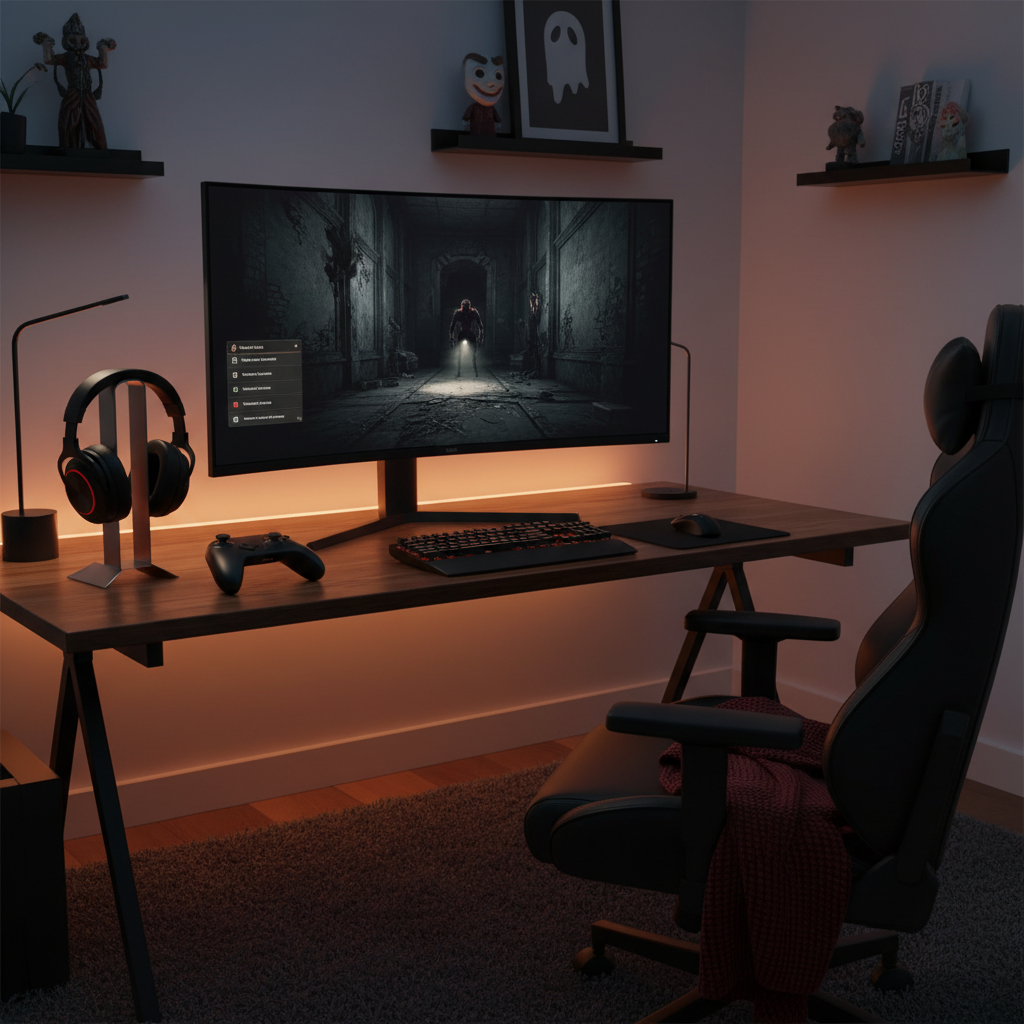
Make It Scarier (or More Comfortable) Without Ruining the Game
A lot of survival-horror “doesn’t work” because your setup fights the mood. Small changes make a big difference, and none require being a purist.
- Use headphones if you can, audio cues often carry the tension more than visuals.
- Dial in brightness so shadows stay readable but not washed out, many games ship too bright by default.
- Turn on accessibility options that reduce frustration, like subtitle sizing or aim assist, fear hits harder when you’re not arguing with controls.
- Set a session boundary, especially if you’re anxiety-prone, stopping after a chapter beats grinding while stressed.
If you have a history of panic attacks or sleep issues, intense horror can be a rough mix. In that situation it may help to lower difficulty, play in daylight, or check with a health professional if you’re unsure what’s safe for you.
Common Mistakes When Buying Survival Horror (and How to Avoid Them)
- Assuming “scary” equals “survival”: some horror games are basically narrative rides, which is fine, just different.
- Confusing difficulty with tension: bullet-sponge enemies rarely feel scary, they feel annoying.
- Ignoring camera perspective: first-person hits more directly for many people, top-down can feel more strategic and less visceral.
- Skipping spoiler-free reviews: even 5 minutes of gameplay can reveal pacing, UI clutter, and how “survival” the loop feels.
Conclusion: A Simple Way to Pick Tonight’s Game
If you want top games with survival and horror elements that deliver real tension, pick based on what you want to be afraid of: being hunted, running out of resources, or living with consequences. That single decision narrows the list faster than any rating score.
Action you can take right now: choose one “classic” pick for structure, then one “sandbox” pick for variety, and give each a one-hour test. If the fear feels like frustration, switch sub-genres instead of forcing it.
FAQ
What are the top games with survival and horror elements for beginners?
Resident Evil 2 (Remake) is a common entry point because it teaches resource management without feeling unfair. If you prefer story momentum, The Last of Us Part I can be easier to stick with.
Which survival horror game is most focused on stealth?
Alien: Isolation stays stealth-forward for long stretches, and the pressure comes from avoidance, not firepower. If you like a tighter, more system-driven stealth loop, Amnesia: The Bunker is also worth a look.
Are there survival horror games that aren’t heavy on jump scares?
Yes, games like Darkwood often lean into dread, sound design, and uncertainty instead of constant jump moments. It still gets intense, just in a different way.
What’s the difference between “survival horror” and “horror survival” games?
In practice, “survival horror” usually means a horror-first experience with deliberate survival constraints, while “horror survival” often points to broader survival sandboxes that happen to be scary. The labels overlap, so gameplay footage helps more than genre tags.
What should I play if I like crafting and base-building with horror?
The Forest and Sons of the Forest are popular because the survival loop stays central, and the horror escalates as you explore. They also work well if you want co-op.
Do I need to play older Resident Evil games to enjoy the modern ones?
Usually not. Many modern entries are designed so newcomers can follow along, and you can treat any references as bonus context rather than homework.
How can I tell if a game has “real” resource scarcity?
Look for systems like limited inventory slots, restricted saving, or enemies that punish wasted ammo. Reviews that discuss pacing and item economy are more useful than “it’s hard” comments.