
best team fortress vr games 2026 is really a search for one thing: team-based VR shooters that nail roles, readable chaos, and that “we actually won because we coordinated” feeling, not just random run-and-gun.
If you’ve tried a few VR FPS games, you already know the pain points, motion comfort varies wildly, matchmaking can feel empty at certain hours, and some “tactical” games turn into silent lobbies where nobody plays the objective.
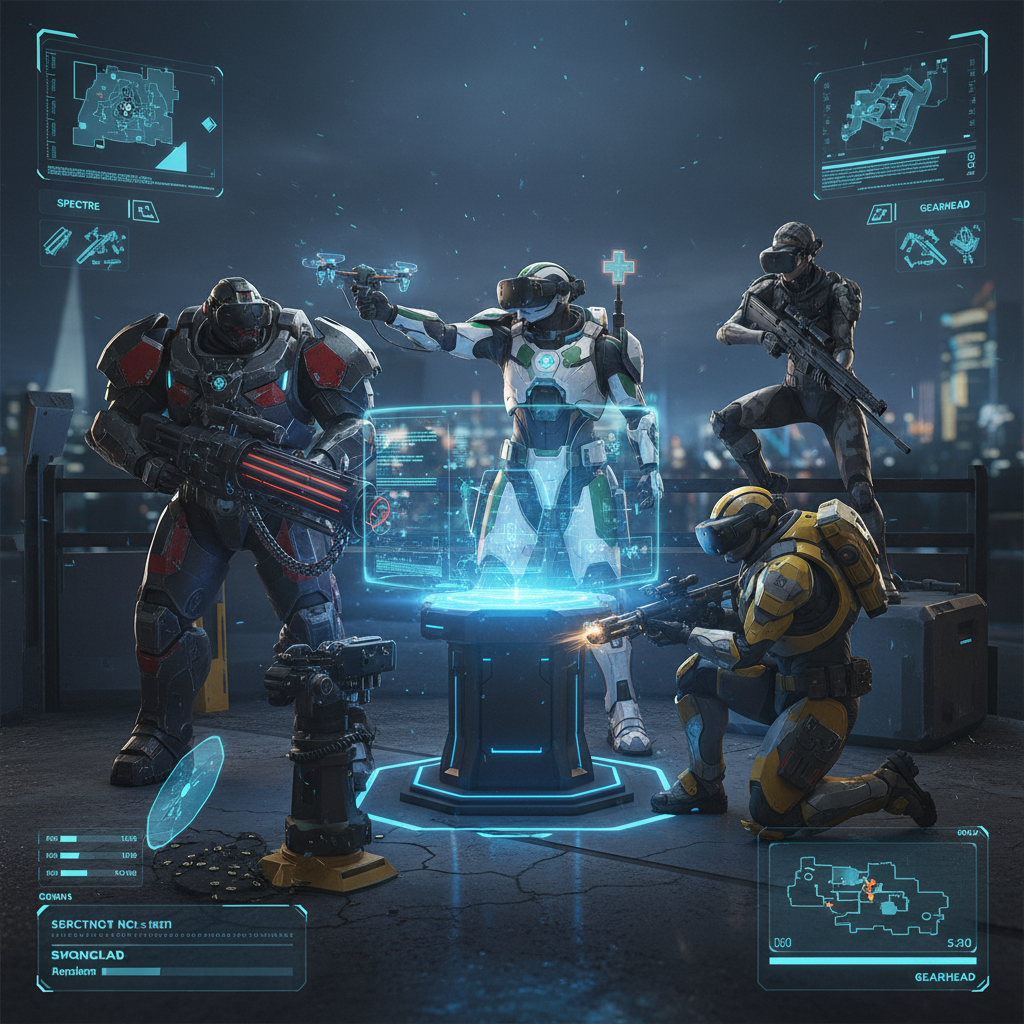
This guide stays practical, what games feel closest to a Team Fortress style loop, what each one does well, where it tends to frustrate people, and how to pick based on your headset, space, and tolerance for movement. You’ll also get setup tips so you spend more time pushing the point and less time tweaking sliders.
What “Team Fortress-style” means in VR (and what it doesn’t)
In flatscreen TF-style games, class roles solve chaos, you always have a job, you can flank, anchor, heal, build, or disrupt, and a match swings because teams read the moment. In VR, that same loop works, but a few things change.
- Role clarity matters more: if silhouettes and audio cues aren’t readable, fights feel like noise.
- Time-to-kill has to respect VR: extremely fast TTK can feel unfair when physical aiming and reloading add friction.
- Comfort is part of balance: movement systems and verticality can gate entire “classes” behind VR legs.
- Population is the hidden stat: the best design in the world won’t help if you only find 3 people on a Tuesday night.
So when you look for the best team fortress vr games 2026, don’t expect a 1:1 TF2 clone, expect “class-like teamwork plus objective modes,” then pick the flavor that matches your friends and your tolerance for intensity.
Quick comparison table (pick your lane first)
Below is a practical shortlist of VR shooters that often satisfy the “fortress teamplay” itch, even when they’re not literal class shooters.
| Game | Why it fits the TF-style vibe | Best for | Watch-outs |
|---|---|---|---|
| Population: One | Squad roles emerge naturally, climbing + revive play, strong comms culture | Friends who like constant action | Battle royale pacing may not feel “payload-like” |
| Onward | Clear team objectives, coordination wins fights, strong tactical identity | Slower, methodical teamplay | Low TTK, mistakes feel punishing |
| Pavlov | Classic FPS modes, community servers, roleplay/party modes can feel “classy” | Variety seekers and mod fans | Experience varies by server, can be chaotic |
| Contractors | Arcadey gunfeel, objective modes, modded content keeps it fresh | “Hop in and frag” teams | Mods can fragment the player base |
| Hyper Dash | Movement-focused objectives, distinct playstyles, strong arena readability | High-mobility objective players | Comfort depends on your VR legs |
The shortlist: best team fortress VR games in 2026, by playstyle
I’m grouping these by the feeling you’re likely chasing, because “team fortress” can mean goofy chaos to one person and tight objective discipline to another.
For “we win because we coordinate” energy
- Onward: If you want that “Medic kept us alive” feeling, Onward delivers it through tactics rather than literal classes. Someone calling angles, someone holding a lane, someone making a smoke push, it scratches the same teamwork itch.
- Population: One: Not an objective cart game, but the revive system, pinging, and vertical control create real roles. One teammate becomes the entry, one anchors, one scouts, and it happens naturally if you talk.
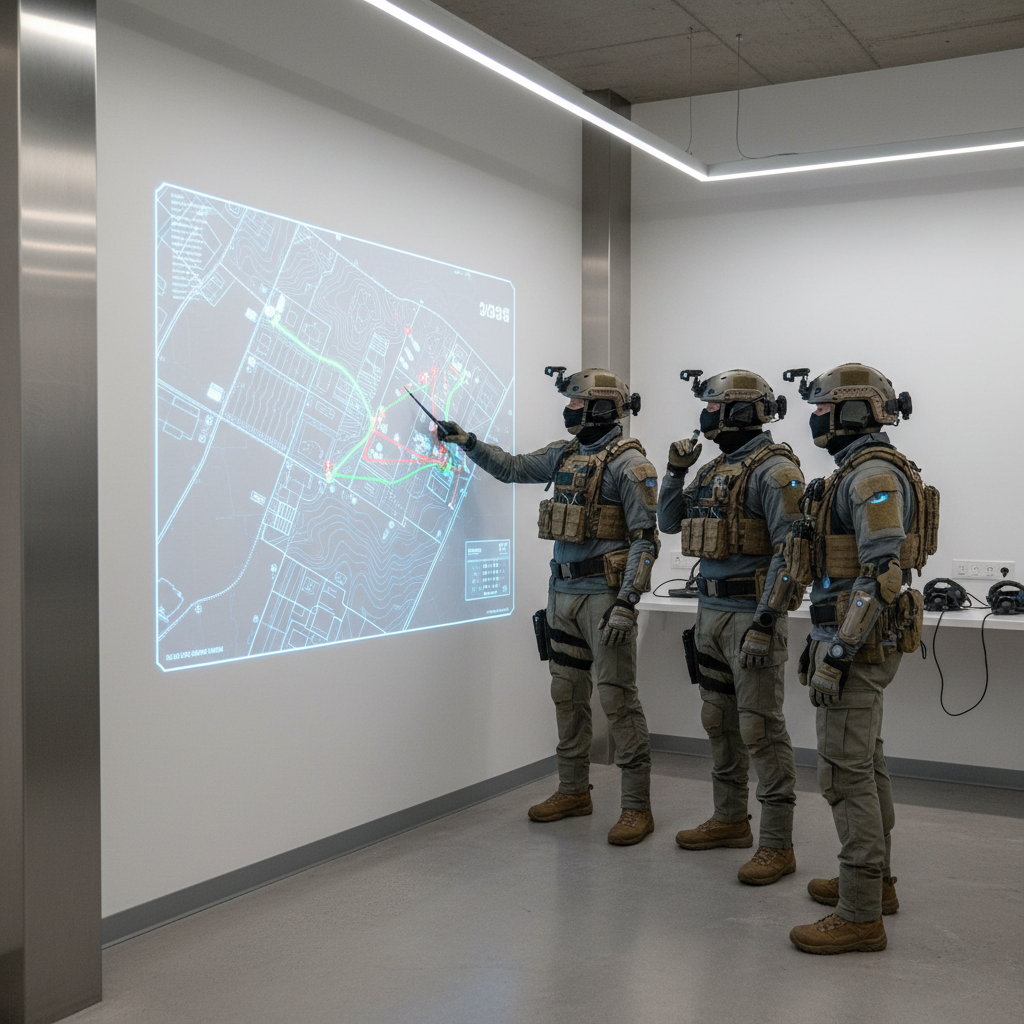
If your idea of the best team fortress vr games 2026 includes “comms actually matter,” these two usually stay near the top, assuming you can handle the pace differences.
For classic modes and big lobby variety
- Pavlov: Team Deathmatch, Search-and-Destroy style rounds, community servers, and social modes. The “role” comes from players choosing jobs, entry, awp-style overwatch, utility support, rather than a locked class kit.
- Contractors: More arcade-forward, often easier to pick up, and the mod scene can keep things feeling new. When it hits, it feels like a weekend server you keep coming back to.
These are solid picks if you want options and don’t mind that the “fortress” part is more about teamwork habits than class design.
For movement, point control, and “arena readability”
- Hyper Dash: The movement system is the star, teleport-dash mechanics, wall running vibes, quick objective play. It can feel like a sport, and good teams snowball through coordination.
Many players who bounce off mil-sim shooters still enjoy this style because it’s less about pixel peeking and more about timing, lanes, and objective pressure.
How to tell which one fits you in 3 minutes (self-check)
- You hate dead air on comms → choose games where random squads typically talk (often Population: One), or bring friends.
- You get motion sick easily → prioritize comfort options, snap turn, vignetting, and avoid intense free-locomotion until you acclimate.
- You want “classes” specifically → look for games with loadout constraints, defined support tools, or objective roles, even if they’re informal.
- You can only play late nights → pick titles with healthier regional matchmaking, or community servers that stay populated.
- You love building/defending → favor modes with hold points, planted objectives, and defensible lanes; pure BR may feel off.
One honest note: the best team fortress vr games 2026 for you might simply be the one your group will reliably boot up twice a week. Consistency beats perfection in team games.
Practical setup tips that improve teamwork fast (comfort + comms)
Most “this game feels bad” feedback in VR shooters comes from comfort settings, audio, or a mismatched control setup. Small changes make a big difference.
- Prioritize stable frame rate: lower shadows or supersampling before you accept stutter. According to Meta, maintaining a smooth experience helps reduce discomfort in VR.
- Fix voice early: set push-to-talk if your mic is noisy, and check in-game voice routing. Teams fall apart when comms are flaky.
- Use sane turn settings: snap turning is usually easier early on, then gradually try smooth turning if you’re comfortable.
- Calibrate your aiming: many shooters have virtual stock, gun offset, or hand smoothing. Tune once, save the profile, stop re-tweaking every match.
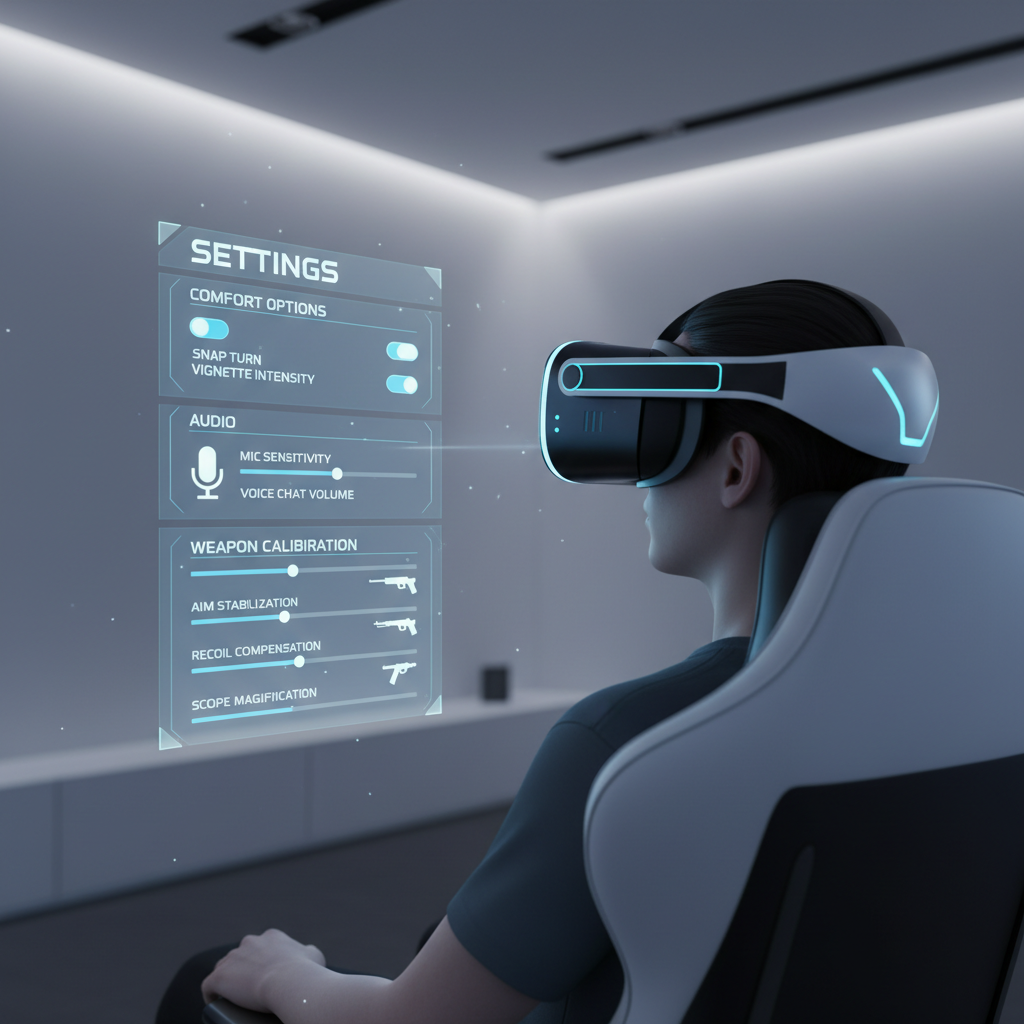
Safety matters too, clear your play space, use a wrist strap if your controller supports it, and take breaks if you feel nausea or eye strain. If you have a medical condition that could be affected by VR, it’s reasonable to ask a clinician for advice before long sessions.
Common mistakes when chasing “Team Fortress in VR”
- Buying for the fantasy, not the loop: if you need payload-style objectives, a battle royale may never feel right, even if the gunplay is great.
- Assuming “tactical” equals “teamwork”: some tactical lobbies play like solo deathmatch with extra steps. Look for communities that value comms.
- Over-indexing on mods: mods can be amazing, but they can also split matchmaking. If you want quick games, stick to popular playlists.
- Ignoring comfort: forcing a movement style you hate will make you quit before you get good enough to enjoy the strategy.
If you keep bouncing off, switch one variable at a time, a different mode, different locomotion, or a different group. Changing everything at once makes it hard to learn what actually helped.
Key takeaways (so you can pick tonight)
- Population: One is a strong choice for social squads and constant action, even though it’s not a classic objective shooter.
- Onward fits players who want disciplined teamwork and don’t mind higher punishment for mistakes.
- Pavlov and Contractors are great “variety platforms,” especially if you like hopping servers and trying new modes.
- Hyper Dash is the move if you want fast objective pressure and movement-driven play.
When people ask for the best team fortress vr games 2026, I usually tell them to pick one “main game” with a healthy player base, then keep one lighter, arcadey option as a backup for off-hours.
Conclusion: choose the team experience, not the label
There may not be a single definitive “Team Fortress VR” that satisfies everyone, but you can absolutely get that class-like teamwork feeling in 2026 if you choose based on your preferred pace, comfort needs, and how you actually play with others.
Action to take now: shortlist two games from the table, watch a recent gameplay clip for each, then commit to one week of playing the same modes with the same settings, you’ll learn faster, and the teamwork clicks sooner.
FAQ
- What is the closest game to Team Fortress in VR right now?
Usually it’s whichever title gives you consistent objective play plus recognizable roles, even if those roles are informal. For many groups that ends up being an objective playlist in Contractors or a coordination-heavy squad game like Population: One. - Are there true class-based VR shooters like Medic/Engineer/Heavy?
Some VR shooters lean into abilities or kits, but many rely on loadouts and team habits rather than hard classes. If you need strict roles, look for modes with limited equipment and clear support tools. - How do I avoid motion sickness in VR shooters?
Start with snap turning, comfort vignettes, and shorter sessions, then ramp up. If symptoms persist or feel severe, it’s smart to stop and consider medical advice. - Which VR shooter has the most active matchmaking in the U.S.?
It changes over time and by platform, but games with large casual audiences and cross-play options often feel more reliable at odd hours. Checking current player activity in official communities can save you a refund headache. - Is playing with randoms viable for teamwork?
Sometimes. Games with strong ping systems and revive mechanics make it easier, but your best odds come from finding a small Discord group or scheduling with friends. - Do mods improve or hurt the experience?
Both. Mods can add freshness and familiar maps, but they can also split players across servers. If quick queue times matter, stick to core modes first. - What headset features matter most for team shooters?
Comfort, tracking stability, mic clarity, and performance headroom matter more than raw resolution. Clear comms and consistent frame rate usually beat sharper pixels in competitive team play.
If you’re trying to lock in the best team fortress vr games 2026 for your group and want a more “just tell us what to buy” answer, share your headset (Quest/PCVR/PSVR2), playtime window, and comfort level, then you can narrow to one main pick plus one fallback without overthinking it.