
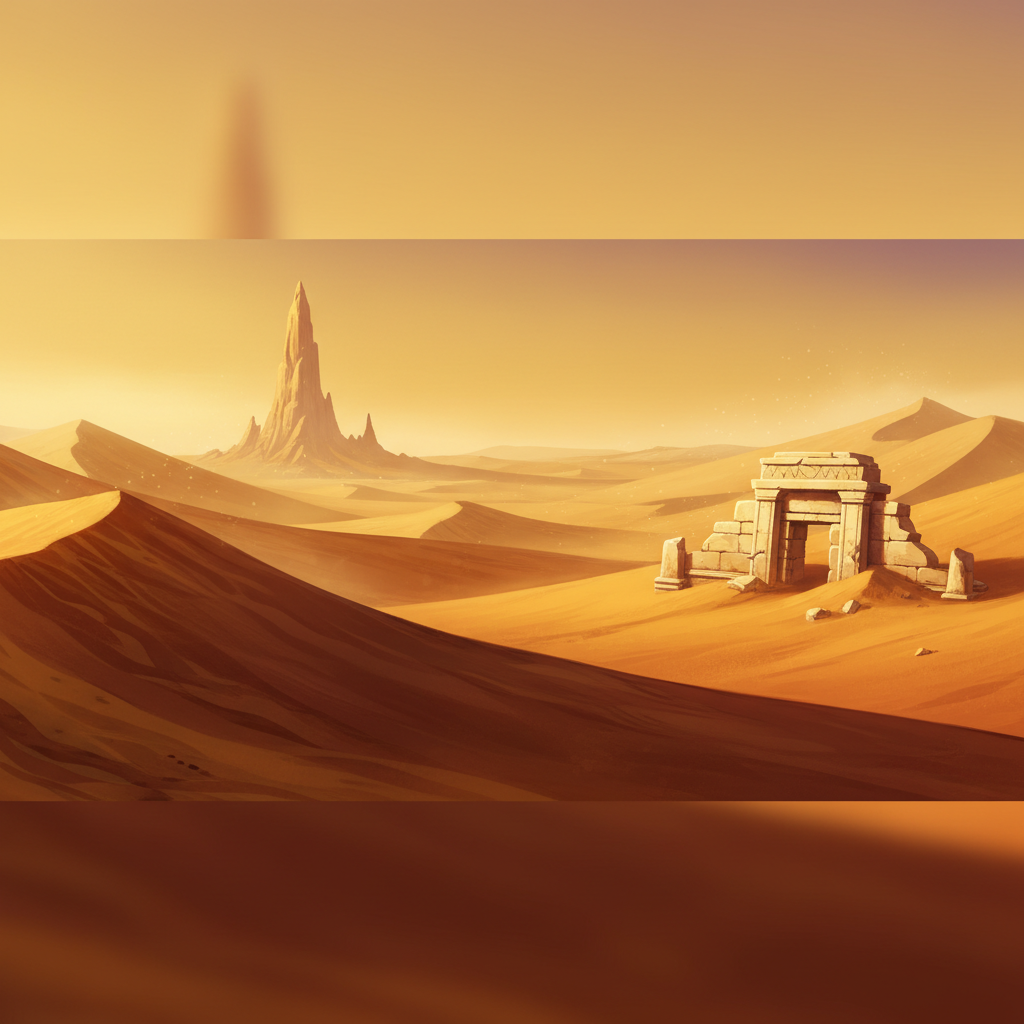
Top games with desert exploration and secrets tend to scratch a very specific itch: you want wide-open dunes, ruins half-buried in sand, and that little jolt when you realize a “random” rock formation is actually a doorway.
The problem is that “desert exploration” can mean totally different things depending on the game, sometimes it’s quiet discovery with environmental storytelling, other times it’s survival systems, map-marking, and puzzle chains that turn into a second job.
This guide narrows the field using practical criteria, then gives you a short list of standout picks, a comparison table, and a few methods for finding secrets without turning your playthrough into a checklist.
What makes a desert exploration game actually feel good
Deserts are easy to get wrong in games. Too empty and it becomes dead space, too busy and it stops feeling like a desert at all. The strongest entries usually balance three ingredients.
- Readable landmarks: mesas, wrecks, temples, towers, anything you can navigate by without staring at a minimap.
- Traversal with texture: sand sliding, heat haze, climbing, vehicles, or movement abilities that make crossing distance feel intentional.
- Secrets that teach you the world: hidden shrines, lore murals, unusual enemy behavior, or puzzle rooms that reveal “how this place works.”
According to the Entertainment Software Association (ESA), players value immersive experiences and varied gameplay motivations, and secret-hunting fits that appetite because it turns wandering into a purpose-driven loop.
Quick comparison: which desert secret-hunt fits your mood
If you’re deciding what to play tonight, this table gets you close without spoilers.
| Game | Desert vibe | Secret style | Best if you like… |
|---|---|---|---|
| Journey | Minimal, meditative | Symbols, optional discoveries | Short, emotional exploration |
| Horizon Forbidden West | Sand + machines + ruins | Relic ruins, collectibles, lore | Open-world with guided mystery |
| Assassin’s Creed Origins | Ancient Egypt scale | Tombs, hidden locations, puzzles | Map-clearing with strong setting |
| No Man’s Sky | Procedural deserts | Alien ruins, anomalies, clues | Endless wandering and scanning |
| Outer Wilds | Small planets, huge ideas | Knowledge gates, time puzzles | Secrets that reframe everything |
| Genshin Impact (Sumeru Desert) | Fantasy desert labyrinths | World quests, hidden rooms | Free-to-play exploration loops |
Key takeaway: if you want “secrets = more story,” lean Journey or Outer Wilds; if you want “secrets = more stuff to do,” lean Origins or Horizon.
Top picks: games that nail desert exploration and secrets
Journey (PS, PC)
Journey is the cleanest example of how a desert can feel enormous without being technically huge. Secrets here are light, mostly optional finds that deepen your abilities and subtly change how the world reads.
- Why it works: the sand is the level design, not just the texture.
- What “secrets” mean: hidden symbols and tucked-away spots that reward curiosity, not completionism.
Horizon Forbidden West (PS)
For many players, the desert zones are where the game’s worldbuilding becomes tactile: storms, buried structures, and side content that uses verticality instead of flat wandering. It’s a strong pick if you want a big-budget open world where secrets are curated.
- Look for: relic ruins and environmental puzzle chains.
- Secret feel: “there’s clearly something here” rather than “I hope RNG blesses me.”
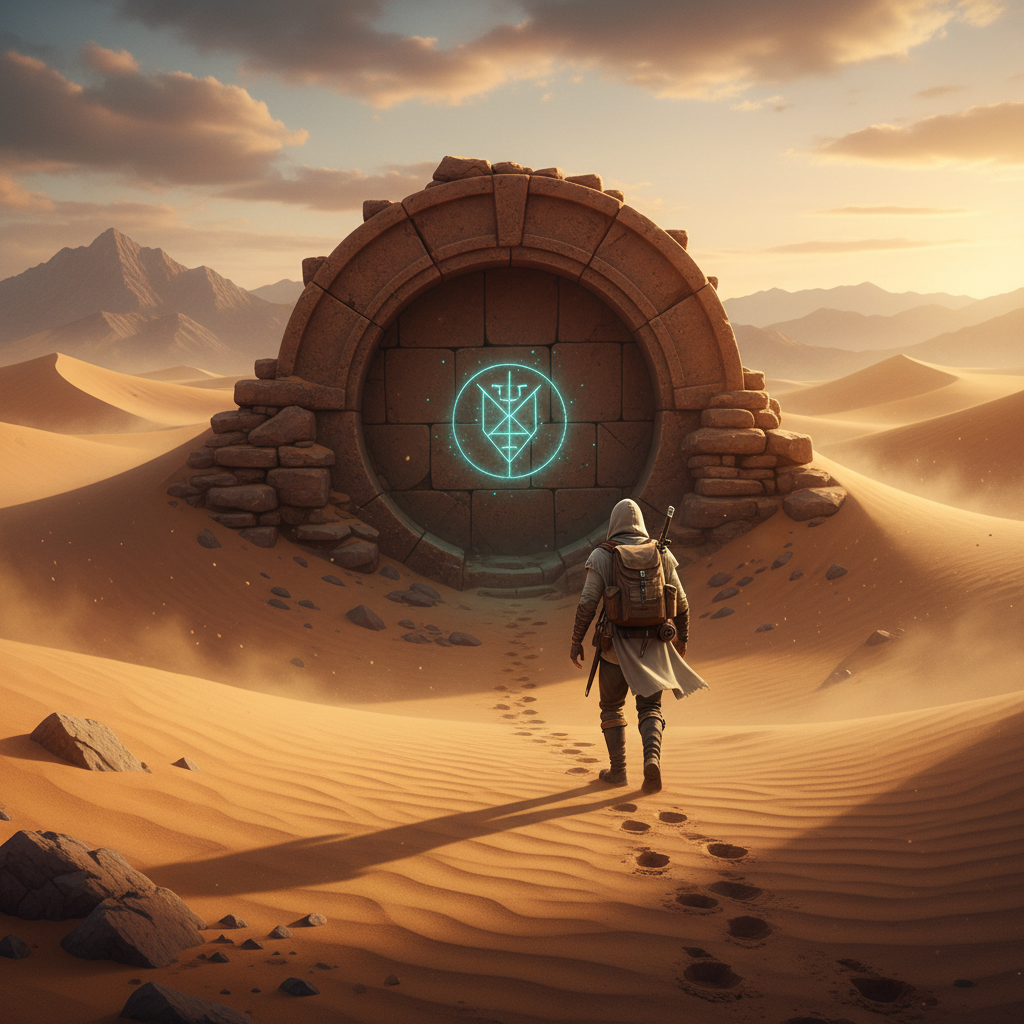
Assassin’s Creed Origins (PC, PS, Xbox)
If your mental image of “desert secrets” includes tombs, hidden chambers, and long rides under an open sky, Origins still holds up. The exploration loop is straightforward: ride out, spot a structure, investigate, repeat, and it’s oddly relaxing.
- What stands out: scale and sightlines, you can often plan routes just by what you see.
- Secret style: tomb puzzles and tucked-away historical flavor, often off main roads.
Outer Wilds (PC, PS, Xbox, Switch)
Outer Wilds is a secret game disguised as a space game. One of its most memorable locations is a sandy world where time and terrain constantly change, and the “secret” is usually knowledge, not loot. If you like being confused for an hour and then feeling brilliant, this is your desert pick.
- Tip: take notes, mentally or literally, because clues connect across locations.
- Expectation setting: it rewards patience more than power leveling.
No Man’s Sky (PC, PS, Xbox, Switch)
Procedural generation means deserts here can be stunning or a bit plain, depending on your luck and tolerance for scanning. Still, if you want endless roaming with surprise finds, it delivers, especially once you enjoy the rhythm of “spot anomaly → land → investigate.”
- Secret style: ruins, strange signals, hidden tech, and occasional “what is that?” moments.
- Best played: in sessions where wandering is the point, not a detour.
Genshin Impact (Sumeru Desert content) (PC, PS, mobile)
The Sumeru Desert leans into layered exploration: surface landmarks plus underground routes, locked doors tied to quests, and secrets that feel like a breadcrumb trail rather than random collectibles. It can be time-consuming, but if you like structured exploration, it’s satisfying.
- Watch for: quest-gated areas that look like secrets but need story progression.
- Secret feel: “solve the region” rather than “find one hidden chest.”
A fast self-check: which type of secret-hunter are you?
Most frustration comes from choosing a game whose secret design clashes with how you naturally play. Quick gut-check.
- I hate missing things → pick curated secrets (Horizon, Origins) over knowledge-gated puzzles.
- I love figuring out systems → pick Outer Wilds, where discovery changes what you can do.
- I want calm vibes → pick Journey, or treat No Man’s Sky deserts as a photo-walk.
- I like checklists → pick games with map icons and region completion tools.
- I want secrets but not spoilers → avoid heavy guide use early, use in-game journals first.
Practical tips to find more secrets without burning out
Top games with desert exploration and secrets often reward a specific approach: slow down near “designed” spaces, speed up in the in-between. That keeps curiosity high and boredom low.
Use landmarks like a compass, not the minimap
In desert biomes, designers usually place one or two strong silhouettes per area. Pick a landmark, walk toward it, then spiral outward. You’ll find side entrances and hidden paths more consistently than with random zigzags.
Listen for audio and lighting cues
Many secrets are telegraphed gently: a different wind tone near a crevice, a warm light spill from a crack, a suspiciously “clean” wall. If you play with low volume, you might miss half the hints.
Do one “sweep pass” after story progress
A lot of players over-explore too early. Many open-world titles add tools that unlock doors, translate glyphs, or reveal buried items later. If you keep hitting locked gates, mark it and return after a main quest milestone.
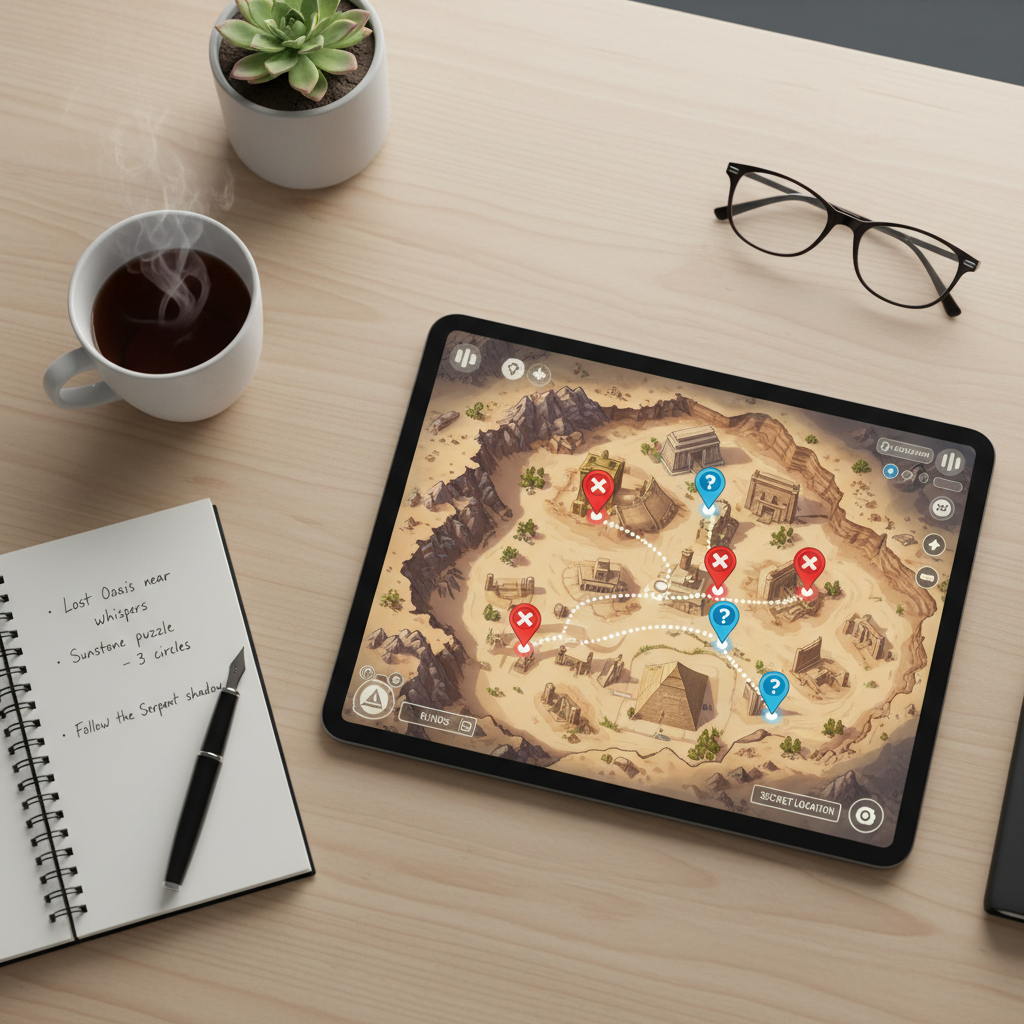
Common mistakes (and what to do instead)
- Mistake: treating every dune like content. Desert pacing often relies on empty stretches. Do instead: look for human-made geometry: straight lines, repeating patterns, unnatural shadows.
- Mistake: guide-first play. You’ll find secrets faster, but you also flatten the mystery. Do instead: play blind for a zone, then use a spoiler-light checklist if completion matters.
- Mistake: confusing “locked” with “hidden.” Some “secrets” are quest gates. Do instead: read tooltips and quest logs before you assume you missed something.
- Mistake: ignoring accessibility options. Some games let you increase contrast, adjust UI markers, or tweak audio cues. Do instead: tune settings so secrets feel fair, not invisible.
Conclusion: pick the desert that matches your curiosity
Top games with desert exploration and secrets land best when the secret format matches your brain: meditative discovery, collectible hunting, or puzzle knowledge that clicks into place. If you want a single safe pick for most players, go with a curated open world; if you want the biggest “aha” moments, go with knowledge-gated mystery.
If you’re choosing right now, pick Journey for a short, memorable desert trip, or Assassin’s Creed Origins for long-form wandering with tomb payoffs, then save Outer Wilds for when you’re ready to think a little harder.
FAQ
What are the top games with desert exploration and secrets on PS5?
Horizon Forbidden West is an easy recommendation for PS5 if you want guided exploration with plenty of optional discoveries. If you want something shorter and more atmospheric, Journey (via platforms where available) still fits the desert mood well.
Which desert exploration game has the best puzzles and hidden lore?
Outer Wilds stands out because the “puzzles” are often understanding rules of the world, and hidden lore is part of progression. It’s less about collecting items and more about connecting clues.
Are there open-world desert games where secrets feel worth it, not just filler?
Many players feel Assassin’s Creed Origins does this well because tombs and locations often have a clear identity. In curated open worlds, secrets tend to be more intentionally placed than in heavily procedural games.
Is No Man’s Sky good if I only care about desert planets?
It can be, especially if you enjoy scanning and stumbling into anomalies, but it’s still procedural, so quality varies. If variety and surprise matter more than hand-crafted secrets, it’s a solid fit.
How do I find secrets without using a full walkthrough?
Use in-game journals, map markers, and “return later” notes for locked areas, then check spoiler-light guides that list regions rather than step-by-step solutions. That approach keeps discovery intact while reducing aimless roaming.
Do these games have accessibility settings that help with exploration?
Many modern titles include options like increased contrast, navigation assists, or audio/visual cues, though the exact tools vary by game and platform. If you rely on those features, it’s worth checking the settings menu early so the secret-hunt feels fair.
If you’re trying to decide between a few desert-heavy games, it often helps to name your priority upfront, calming atmosphere, story secrets, or completion tracking, then pick the title that matches that loop instead of the one with the prettiest screenshots.