
best vr sword games 2026 is a search you make when you want that clean, satisfying “blade-on-blade” feeling in VR, but you don’t want to waste money on something that feels floaty, repetitive, or nausea-inducing.
A good VR sword game is a weird mix of things: responsive tracking, readable enemy behavior, smart stamina systems, and comfort options that respect your body. Miss one of those, and even a gorgeous game can feel like you’re waving a pool noodle.
This guide focuses on what typically matters in real play: combat feel, replay value, comfort, and how well a game fits different headsets and play spaces. I’ll also call out the kinds of players each pick tends to satisfy, because “best” depends on what you actually want to do in VR.
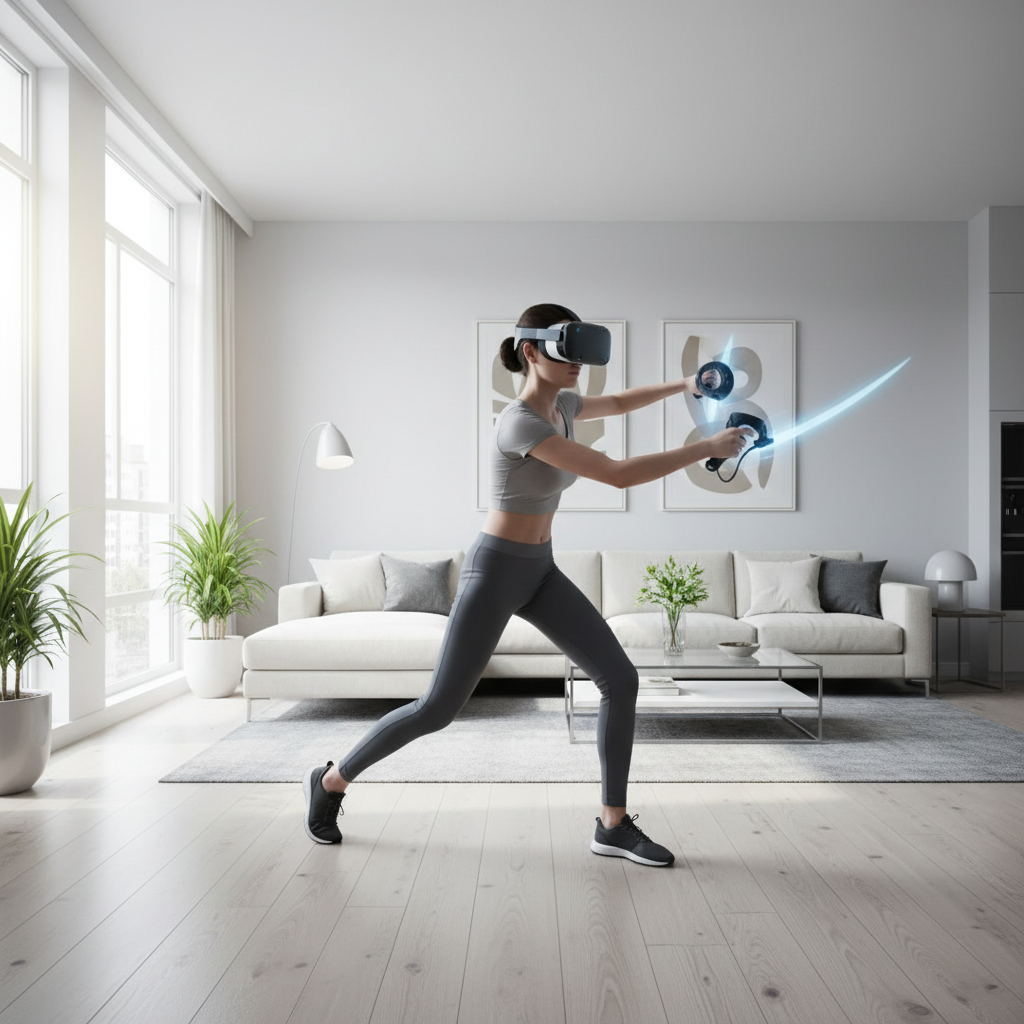
Quick picks: the short list that fits most players
If you want a fast answer, this section narrows the field. These are well-known, widely played options that, in many cases, still hold up going into 2026 because their core combat loops work.
- Best overall swordplay sandbox: Blade & Sorcery
- Best rhythm sword game: Beat Saber
- Best archery + swords fantasy: The Elder Scrolls V: Skyrim VR (modded, where allowed)
- Best action RPG with melee focus: Asgard’s Wrath 2
- Best roguelike melee runs: Until You Fall
- Best physics brawler feel: GORN
One honest note: some “sword games” are really melee games with blades as one option. That can still be great, just don’t expect fencing-sim precision unless a game is built around it.
Comparison table: what you actually get
Here’s a practical snapshot. Availability can vary by platform and region, and some experiences change a lot with mods, patches, and your specific headset tracking.
| Game | Best for | Combat feel | Comfort risk | Replay value |
|---|---|---|---|---|
| Blade & Sorcery | Physics swordplay, experimentation | Weighty, tactile, sandbox | Medium | High |
| Until You Fall | Roguelike runs, skill progression | Arcade-precise, readable timing | Low–Medium | High |
| Beat Saber | Fitness rhythm, quick sessions | Rhythm slashes, not “dueling” | Low | High |
| GORN | Goofy arena brawling | Physics chaos, exaggerated hits | Medium | Medium |
| Skyrim VR | Open-world fantasy roleplay | Depends on setup/mods | Medium–High | Very high |
| Asgard’s Wrath 2 | Big campaign, action RPG | Polished, ability-driven | Low–Medium | High |
Best VR sword games 2026: top recommendations (with who they fit)
This is the heart of the list. I’m not ranking these as “one true order,” because the best vr sword games 2026 conversation usually comes down to the kind of sword fantasy you’re buying.
Blade & Sorcery (sandbox physics combat)
If you want your blade to feel like it interacts with the world, this is the obvious pick. The appeal is less “beat the campaign,” more “test techniques, fight scenarios, try different weapons.”
- Why people stick with it: emergent moments, mod community (where supported), satisfying collisions
- Who might bounce off: players who want a guided story or structured progression
Until You Fall (roguelike melee with clean readability)
Until You Fall is great when you want melee that feels skill-based without requiring you to micromanage physics. Attacks are telegraphed, blocks and dodges are readable, and the loop stays strong in short sessions.
- Strength: repeatable runs, upgrades, “one more try” pacing
- Watch for: it’s intentionally stylized, so realism fans may want something heavier
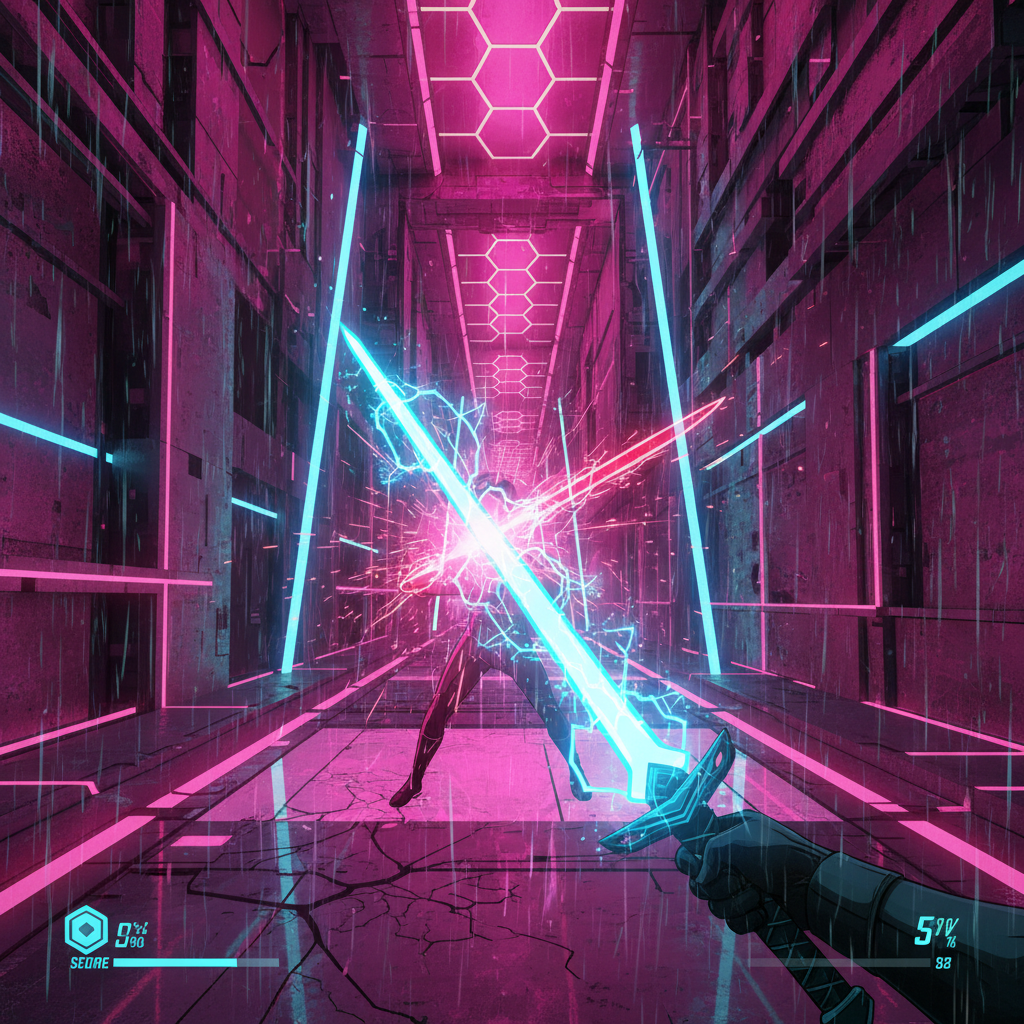
Beat Saber (rhythm slashing that doubles as cardio)
Not a dueling simulator, but it remains one of the most consistent “sword-adjacent” VR experiences. It’s also one of the easiest to recommend to friends because comfort is usually manageable.
- Best use: quick play, parties, fitness routines
- Pro tip: adjust player height and note jump distance settings for comfort
Skyrim VR (the “I live here now” option)
Skyrim VR can be amazing if you want an open-world sword fantasy, but it often takes setup time to feel modern. Modding policies vary by platform, and you should follow the official platform rules.
- Best use: exploration, roleplay builds, long-term progression
- Reality check: melee feel depends heavily on settings and expectations
Asgard’s Wrath 2 (polished action RPG melee)
If your definition of “best” is a big campaign with production value, this lands well. Sword combat tends to be ability-driven and choreographed, less sandbox, more “designed encounters.”
- Best use: story-forward action with melee at the center
- Watch for: longer sessions can fatigue your arms, pace your play
GORN (arena brawling, silly but satisfying)
GORN is a physics comedy brawler that happens to include swords. It’s messy in a way people either love or hate, and it’s a solid “show VR to a friend” game if you have space.
- Best use: short arena bouts, stress relief gameplay
- Safety note: easy to over-swing, keep a clear guardian boundary
How to choose: a quick self-check before you buy
Before you chase whatever is trending, check these. They usually predict whether you’ll refund in 30 minutes or keep playing for months.
- Do you want realism or readability? Physics sims feel “real” but can be messy; arcade systems feel fair and learnable.
- Can you handle smooth locomotion? If not, prioritize teleport or arena-style games.
- How much space do you have? Tight rooms favor standing-in-place combat and shorter weapons.
- What’s your goal? Fitness, story, sandbox experiments, competitive mastery each push you toward different picks.
- Are you sensitive to motion sickness? Comfort options matter more than graphics.
Setup and comfort: make sword combat feel better (and safer)
A lot of “this combat feels bad” complaints are really tracking, boundary, or comfort issues. According to CDC, dizziness and nausea can be signs of motion sickness, and taking breaks is a common recommendation for symptom management; if symptoms persist, consider discussing with a healthcare professional.
Practical tweaks that tend to help:
- Recenter often: if your stance drifts, your swings start missing in weird ways.
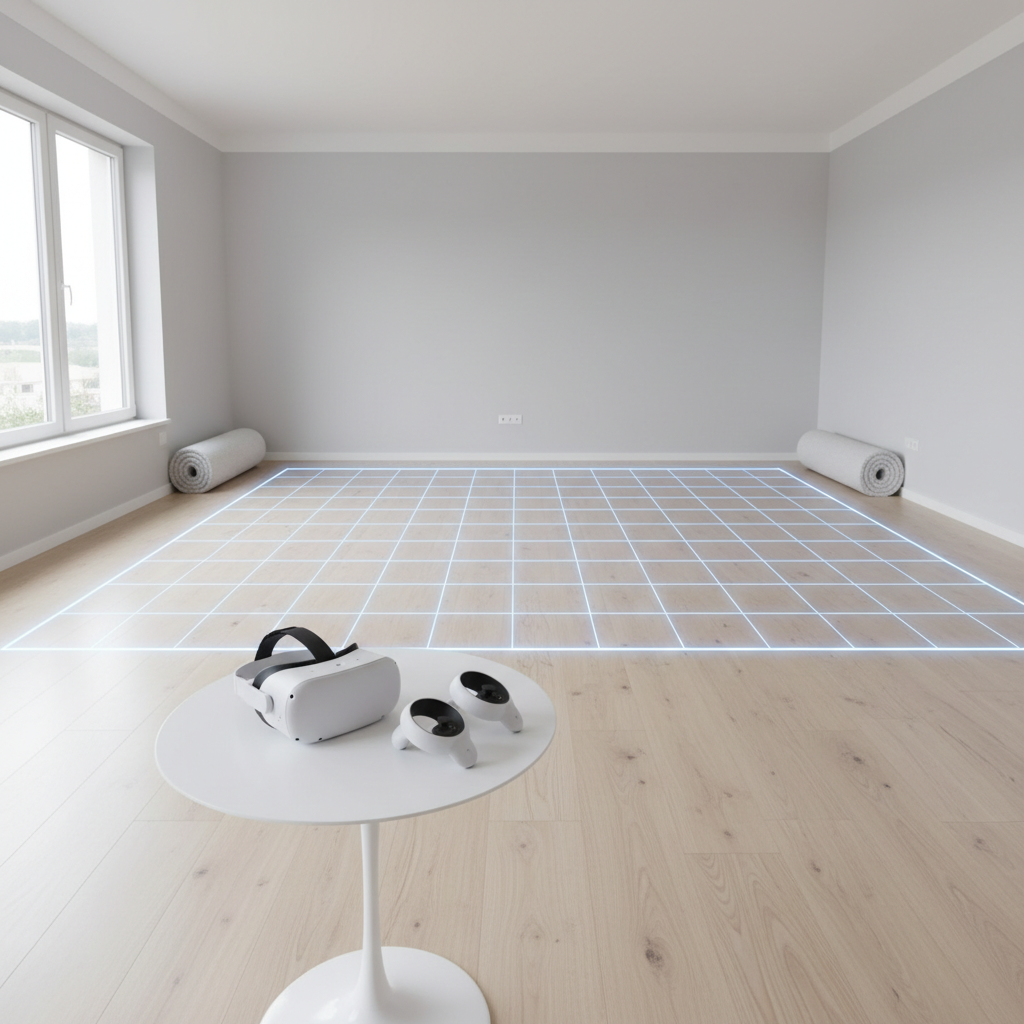
- Set a larger guardian than you think: sword games invite lunges, and controllers love walls.
- Use a controller strap: it reduces grip fatigue and “panic clench.”
- Try snap turning: for many people it reduces discomfort versus smooth turning.
- Lower intensity early: arms and shoulders adapt, but overdoing day one leads to soreness and sloppy form.
Key takeaways (so you don’t overthink it)
- Pick the combat model you enjoy: physics sandbox vs. pattern-based melee is the real fork in the road.
- Comfort beats hype: a “cool” game you can’t play for 20 minutes isn’t a win.
- Replay value comes from systems: roguelike loops and sandboxes last longer than one-off arenas.
- Your headset and space matter: tracking quality and room layout change swordplay feel more than people admit.
Conclusion: the best choice depends on your sword fantasy
For most people, the best vr sword games 2026 shortlist ends up looking simple: Blade & Sorcery if you want physical experimentation, Until You Fall if you want clean skill progression, Beat Saber if you want reliable sessions, and a big RPG like Asgard’s Wrath 2 or Skyrim VR if you want to disappear into a world.
If you want to act today, pick one game that matches your comfort level, then spend ten minutes dialing in boundary space, turning style, and height calibration before judging the combat. That small setup step tends to decide whether sword VR feels “off” or instantly addictive.