
Best games with player housing customization are the ones that let you build a space you actually want to return to, not just drop furniture for a screenshot and forget it exists.
Most lists lump “has housing” into one bucket, but housing systems vary a lot: some are pure decoration, some are functional crafting hubs, and some become a social space that changes how you play. If you pick the wrong type, you can sink hours into a system that never clicks.
This guide breaks down what “good housing” really means, how to quickly tell which games match your taste, and a practical shortlist you can use to decide what to play next.
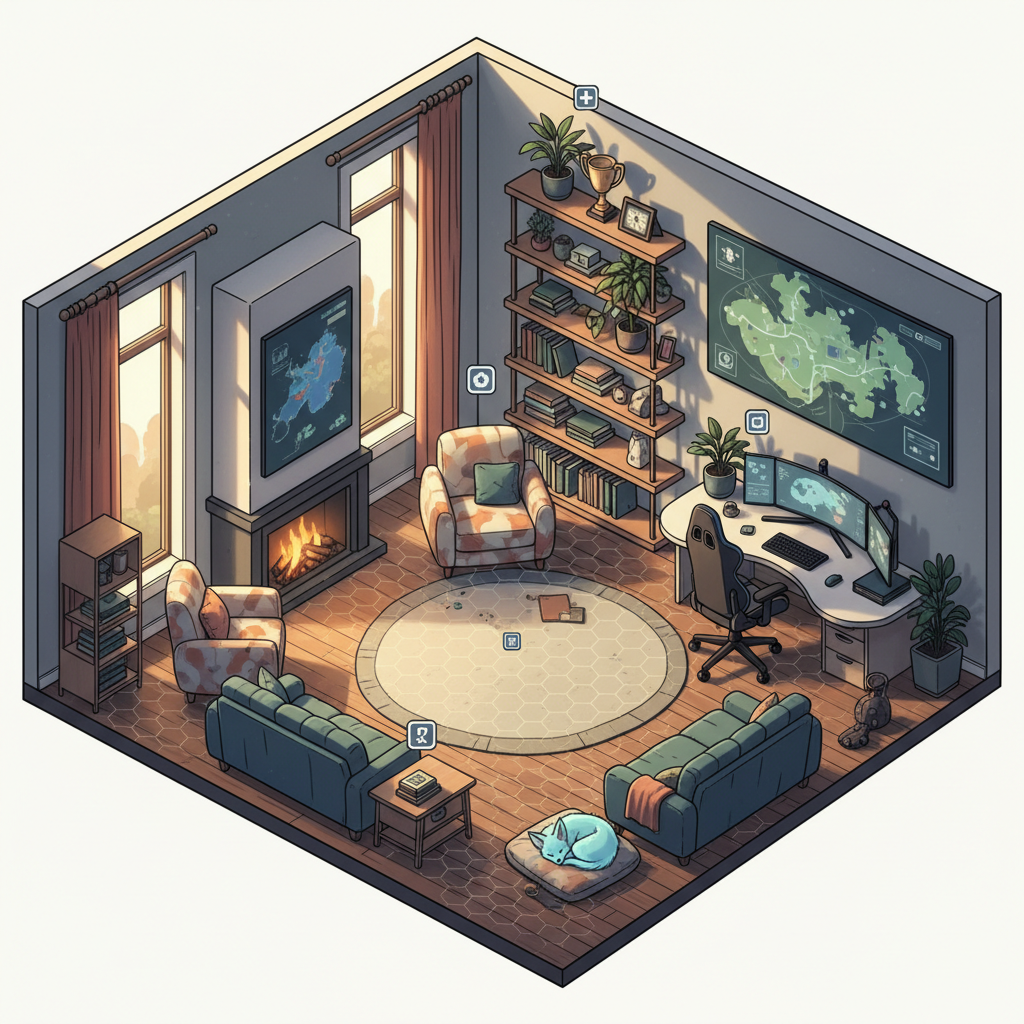
What “player housing customization” really includes
Housing sounds simple, but there are usually three layers. Knowing which layer you care about saves time and money.
- Aesthetic customization: furniture sets, wall and floor options, lighting, landscaping, color dyes, clutter objects.
- Structural building: placing walls, changing room shapes, adding floors, snapping pieces together, terrain tools.
- Functional housing: crafting stations, storage, buffs, fast travel, NPC vendors, farming plots, trophy bonuses.
Many players say they want “creative freedom,” but what they really want is low friction decorating: easy placement, good camera controls, a solid undo feature, and items that don’t require a grind that turns decorating into a second job.
Quick comparison table: top picks by housing style
Below is a practical snapshot, not a ranking. The “best” depends on whether you want cozy decorating, hardcore building, or a home that matters in gameplay.
| Game | Housing focus | Best for | Things to know |
|---|---|---|---|
| The Sims 4 | Deep build + decorate | Room design, architecture, storytelling | Base game works, expansions add lots of objects |
| Final Fantasy XIV | Decor + social spaces | Showcase homes, guild venues, roleplay | Housing availability can be limited by server/ward |
| Elder Scrolls Online | Decor at scale | Big homes, themed builds, collectible furnishing | Some standout homes and items tie to premium store |
| Minecraft | Structural building sandbox | Freeform builds, redstone “smart homes” | Creativity depends on your goals and mods/servers |
| Fallout 4 | Settlement building | Functional bases, defense loops, supply lines | UI friction; mods often improve building flow |
| Animal Crossing: New Horizons | Cozy decorating | Relaxed home + island vibes | Time-gating and collecting drive progress |
| Valheim | Survival base building | Viking halls, practical crafting bases | Comfort system rewards thoughtful interiors |
| Stardew Valley | Farm home + layout | Cozy routines, decorating with purpose | More about vibe than complex architecture |
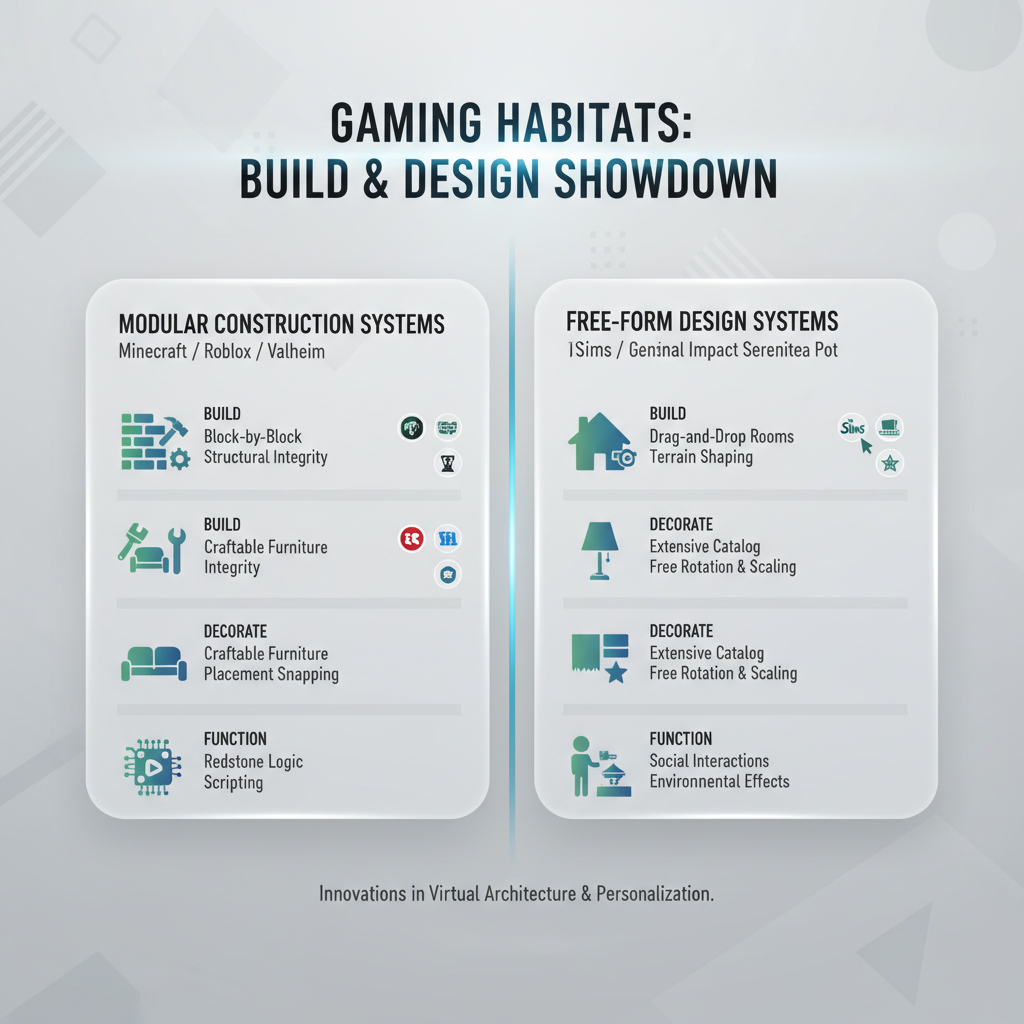
The best games with player housing customization (and why people stick with them)
Here’s the part most players care about: which games make housing feel worth it after the initial novelty wears off.
The Sims 4 (PC/Console)
If your dream is tweaking floor plans, testing layouts, and decorating down to the smallest clutter item, this is still the benchmark. Build Mode is fast, forgiving, and designed for experimenting.
- Why it works: strong tools, huge object variety, lots of creator-made inspiration.
- Watch-outs: many favorite sets live in DLC, so budget matters.
Final Fantasy XIV (PC/PS)
FFXIV housing shines when you treat it like a social feature: personal homes, Free Company estates, themed venues, seasonal decor, and clever glitch-building that the community loves.
- Why it works: housing feels “lived in” because friends visit and events happen.
- Watch-outs: availability can be competitive, and you may need patience.
The Elder Scrolls Online (PC/Console)
ESO gives you big canvases and a furnishing system that supports massive themed projects, from cozy inns to sprawling fantasy estates.
- Why it works: scale, variety, and a strong collectible loop for decor.
- Watch-outs: premium offerings exist, so it’s easy to feel tempted.
Minecraft (PC/Console/Mobile)
Minecraft earns its place because “housing” can become anything: a cabin, a megabase, a floating city, or an automated base with redstone doors, farms, and storage logic.
- Why it works: unlimited building language, strong creative communities.
- Watch-outs: less guided decorating, more self-directed goals.
Fallout 4 (PC/Console)
Settlement building is more about function than pretty interiors, but that’s the appeal. You build supply routes, defenses, crafting hubs, and living spaces that support exploration.
- Why it works: your base ties directly into gameplay loops.
- Watch-outs: fiddly placement; mods can smooth rough edges on PC.
Animal Crossing: New Horizons (Nintendo Switch)
This is “cozy housing” done with intention: collecting furniture, matching themes, and slowly shaping both home and island into a personal comfort space.
- Why it works: low pressure, high charm, satisfying incremental progress.
- Watch-outs: time gating may annoy players who want to binge-build.
Valheim (PC)
Valheim rewards thoughtful interiors through its comfort system, so rugs, seating, lighting, and room design matter beyond aesthetics.
- Why it works: survival function meets genuinely cozy builds.
- Watch-outs: progression gates materials, especially early on.
Stardew Valley (PC/Console/Mobile)
Stardew’s home upgrades and decorating are simple, but the “housing” feeling comes from routine: farm layout, sheds, pathways, seasonal aesthetics, and a space that reflects your playstyle.
- Why it works: relaxing loop, easy creativity, strong sense of place.
- Watch-outs: not an architecture sandbox, more a cozy life sim.
Self-check: which housing system will you actually enjoy?
Before buying anything, ask yourself a few blunt questions. This is where most people realize they want a different type of game than they assumed.
- If you want full control over structure, look at Minecraft, Valheim, and similar building-forward games.
- If you want interior design and floor plans, The Sims 4 is usually the safest bet.
- If you want housing as an endgame hobby with visitors, consider FFXIV or ESO.
- If you want cozy decorating without pressure, Animal Crossing and Stardew fit better.
- If you want your base to matter mechanically, Fallout 4 and Valheim tend to feel rewarding.
One more tell: if you get annoyed by inventory limits and material farming, prioritize games with easy item access or creative modes, because grind-heavy furnishing can make even the best games with player housing customization feel like chores.
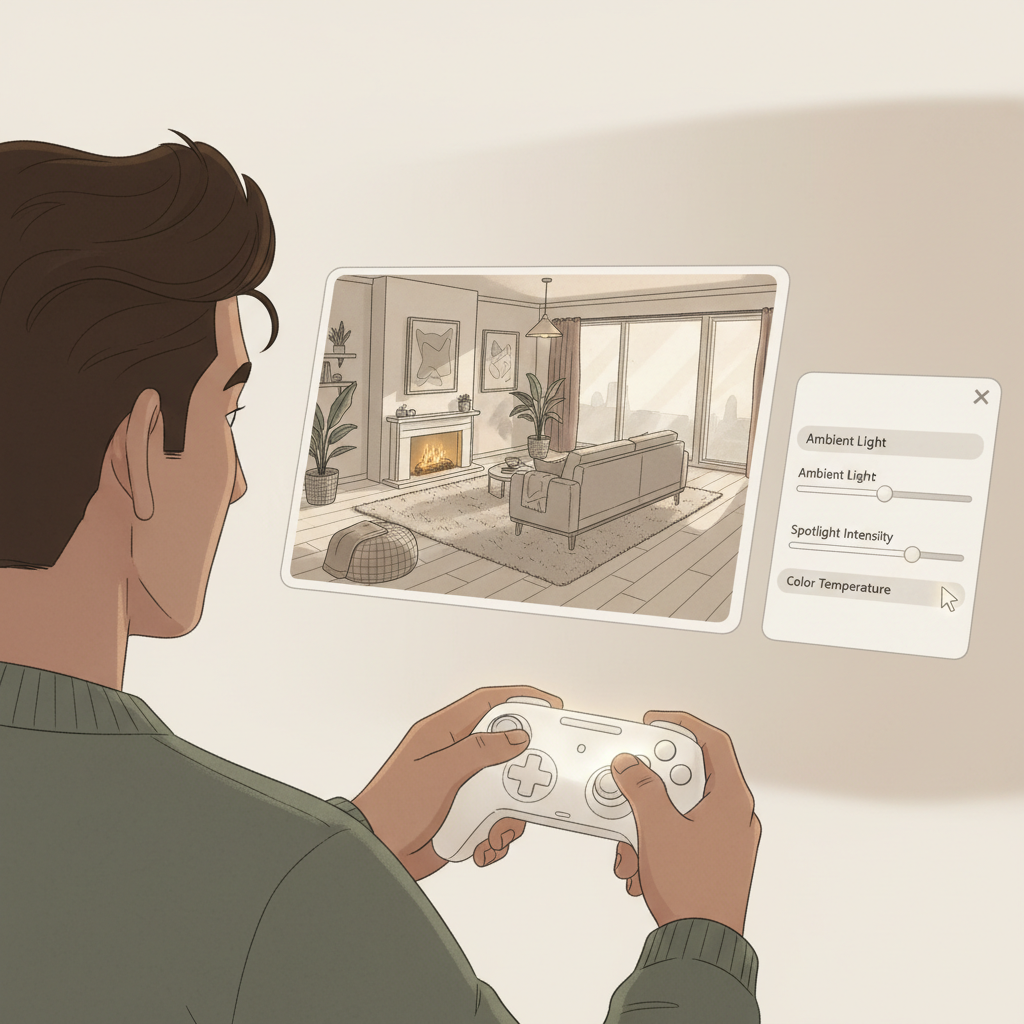
Practical tips to get more out of housing (without burning out)
Housing is supposed to feel like a reward. If it starts feeling like an obligation, a few small habits help.
- Start with one “anchor”: pick a theme or one hero item (a bed, fireplace, trophy wall), build outward from that instead of buying random sets.
- Build for flow: place crafting, storage, and travel points first, then decorate around the routes you actually walk.
- Use lighting early: even simple rooms look better when lighting is intentional, and it helps you judge spacing.
- Save versions: if the game supports presets or blueprints, keep a “safe” version before big experiments.
- Set a time box: 30–60 minutes of decorating can be satisfying, three hours can become nitpicking.
According to the Entertainment Software Association (ESA), many players value games for relaxation and stress relief, so if housing becomes stressful, it’s fine to switch to a simpler decorating loop for a while.
Common mistakes that make housing feel worse than it is
A lot of frustration comes from mismatched expectations rather than bad design.
- Expecting “Sims-level” tools everywhere: most games don’t offer that level of snapping, resizing, and camera freedom.
- Ignoring the economy: in MMOs, furnishing often has a market layer, so costs vary, and you may need a plan.
- Overbuilding too early: in survival games, a huge base before you unlock better materials can become busywork.
- Chasing perfection: some systems look best when you embrace imperfection, a little clutter can feel more natural.
If you’re picking from the best games with player housing customization, it helps to treat housing like a long-term side hobby, not something you “finish” in a weekend.
Conclusion: choose the housing loop that matches your personality
The real difference between a game you’ll love and a game you’ll drop is whether the housing loop matches how you like to play. If you want architectural control, lean sandbox. If you want curated cozy, lean life sim. If you want people to visit, pick an MMO with an active housing scene.
Two easy next steps: make a quick shortlist of three games from the table, then watch 10 minutes of real housing gameplay (not just trailers) to see how placement and menus feel. That tiny bit of homework usually prevents buyer’s remorse.
FAQ
What are the best games with player housing customization on PC right now?
For pure building and interior tools, The Sims 4 and Minecraft are common picks. If you want social housing, FFXIV and ESO are strong options, but the “best” depends on whether you prefer decorating, structure building, or functional bases.
Which MMO has the most satisfying housing system?
Final Fantasy XIV often stands out for community-driven housing culture, while Elder Scrolls Online offers huge spaces and lots of themed furnishing. The trade-off is that MMO housing can involve availability limits or economies that affect how quickly you can decorate.
Is Animal Crossing: New Horizons good for deep customization?
It’s deep in vibe and collection, not in architecture tools. If you want relaxing decorating with a steady drip of new items, it works well; if you want to remodel walls and room shapes freely, you may feel constrained.
What game is best for building a functional base, not just decorating?
Fallout 4 and Valheim are usually better fits because housing ties into crafting, storage, progression, and survival comfort. You’re not decorating “for nothing,” the base supports how you play.
Do I need mods to enjoy housing in these games?
Not always. The Sims 4 and Animal Crossing work fine without them. Fallout 4 and Minecraft can feel much better with quality-of-life mods, but it depends on platform and how picky you are about placement and UI friction.
How do I avoid wasting time on furniture grinding?
Pick games with creative modes or generous item access if you mainly want to design. In grindier games, set a small theme, craft in batches, and decorate in stages, it keeps the loop fun instead of feeling like chores.
Which game is best if I like showing my house to other players?
MMOs tend to win here. FFXIV housing is built around visitors and community spaces, and ESO supports impressive “show builds” too. Your server and community matter, so results vary.
If you’re trying to decide between two or three options, it often helps to describe what you want your home to do, cozy hangout, creative build project, endgame social space, or a functional hub, then match the game to that goal rather than chasing whatever looks most popular.